Category: In The Pantry

It’s Rappie Pie Season and We Have Your Rabbits
4 Comments
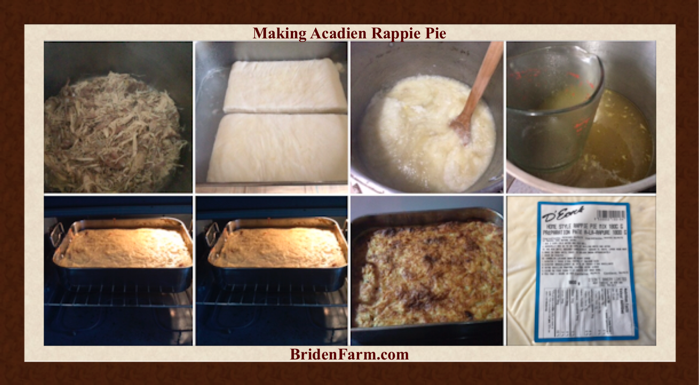
Making Acadien Rappie Pie

The Yarmouth & Acadian Shores has a Recipe for Your Next Rappie Pie, or râpure in French!

Now, You may just be wondering, “What the heck is Rapie Pie!?”

Well, the Yarmouth & Acadian Shores website describes it as, “a well-loved traditional Acadian dish. It’s unique to the region, made from a delicious mix of potatoes and chicken.”

Of course, if You’re from here, You probably know that the best râpure (Rappie Pie) is made with Rabbits!

Of course, there are those who prefer Rappie Pie made with Beef, Chicken, or even Clams!

Yet, many of us prefer Rabbit Meat in our râpure!

If possible we prefer Wild Rabbit! However, it’s become all but impossible to obtain Wild Rabbits! See, the Wild Rabbit population has nearly disappeared! Thanks in no small part to the “Eastern Coyote”, or as some suspect it to be, The Grey Wolf. Considering most Coyotes weigh no more than 35 – 40 lbs, and the Eastern Coyote weighs as much as double that, it seems possible they are wolves! Some say that the Dept. of Natural Resources, then the Lands and Forests, quietly introduced them to Nova Scotia in the early to mid-1970s when the Grey Wolf populations in other areas were becoming all but extinct. Nevertheless, I digress!

Whatever the reason, the Wild Rabbit populations in Nova Scotia have drastically declined in most areas. Although they have started to reestablish themselves in some areas. In 2017 NovaScotiaHunting.com reported that

A decrease in hunters and the arrival of coyotes can likely account for the huge drop in the number of snowshoe hares harvested annually over the last 30 years in Nova Scotia. In 1983-84 the number was more than 500,000, but by last winter it had dropped to 65,000

An alarming decrease of 87% over a 30 Year Period.

Knowing, that we’ve, for whatever reason, lost most of our Wild Rabbit Population, I started working on a substitute! See, I’ve never been impressed by Domestic Rabbit Meat! Domestic Rabbit Meat is usually sickly pale, and lacking the taste of our Wild Rabbits. I should also mention that in Nova Scotia, our Wild Rabbits are actually Snowshoe Hare. Our Snow Shoe hair have a darker reddish-coloured meat and is much more flavourful than domestic rabbit. Over the past few years, I’ve managed to develop an end product that more closely resembles Wild Rabbit than Domestic Rabbit! 

Skeptical? I would be too! So, buy it to try it!
If You don’t agree that our “Nearly Wild Rabbit” meat isn’t closer to Wild than Domesticated let me know!

How do we do it? We keep our Rabbits in mobile pens, moving them every day to new forage. They are outside for at least 8 months out of the year. Their diet is primarily natural forage similar to that of a wild rabbit. Keeping them in a natural habitat and on a similar diet gives them darker reddish meat with a more robust flavour like the Wild Rabbit. Making them ideal for Rappie Pie!

So, whether You’re making Rappie Pie, or You’re craving for the taste of wild rabbit, we invite you to get our “Nearly Wild Rabbits” and I think You’ll be glad You did! Contact me, Brian at Briden Farm, 902-907-0770.
 

Lard Rendered from Woodland Pastured Pigs stands out as a Nutritional Powerhouse

No Comments
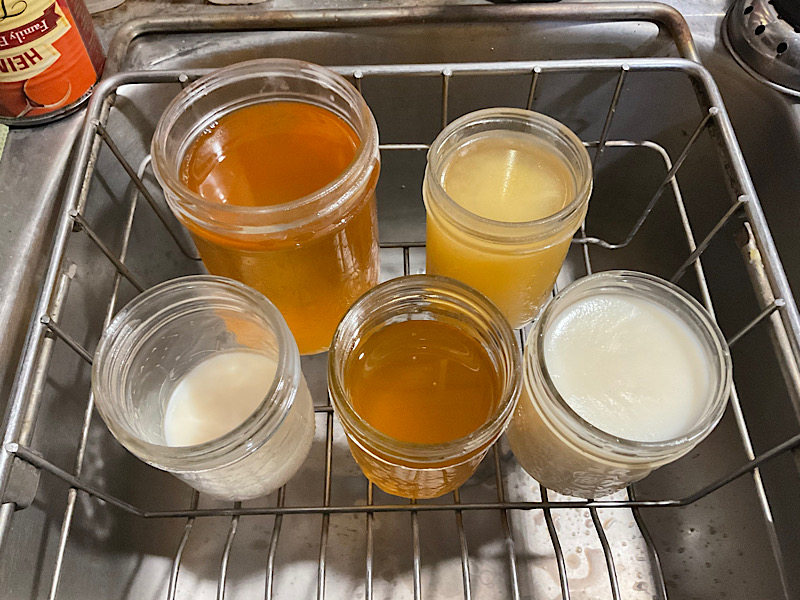
Rendered Lard

Lard rendered from woodland pastured pigs stands out as a nutritional powerhouse with a unique set of benefits. Unlike industrially processed fats, lard from woodland pastured pigs is rich in monounsaturated fats and contains higher levels of heart-healthy omega-3 fatty acids. This nutrient profile contributes to a healthier lipid profile and supports overall cardiovascular well-being.

Moreover, lard from woodland pastured pigs is a stable cooking fat with a high smoke point, making it an excellent choice for frying and high-heat cooking. It imparts a delicious, savory flavor to dishes and serves as a versatile ingredient in both sweet and savory recipes.

From an ethical and environmental standpoint, supporting pasture-raised pigs ensures humane treatment and allows them to express natural behaviors in a woodland setting. Additionally, these pigs play a vital role in ecosystem management by promoting biodiversity and preventing invasive species. In choosing lard from woodland pastured pigs, consumers align with sustainable agriculture, promoting the health of animals, the environment, and themselves.

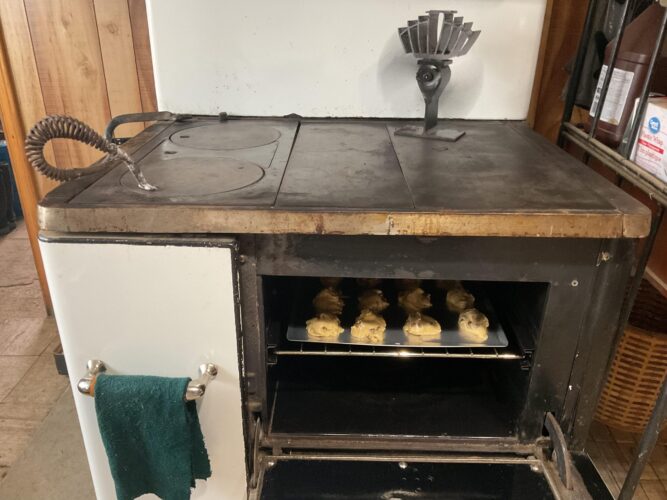
The First Chocolate Chip Cookies of the Season, Baked in our Wood Stove Oven

No Comments

It’s sort of like a Big Hug! The feel of the warmth of a Wood Stove on a cold, wet, day! Back that up with the first Chocolate Chip Cookies of the season, and a good cup of ole fashioned Tea brewed on the wood stove and it just warms the cockles of the heart! Kind of like the Improved Briden Farm Chocolate Chip Cookie Recipe!

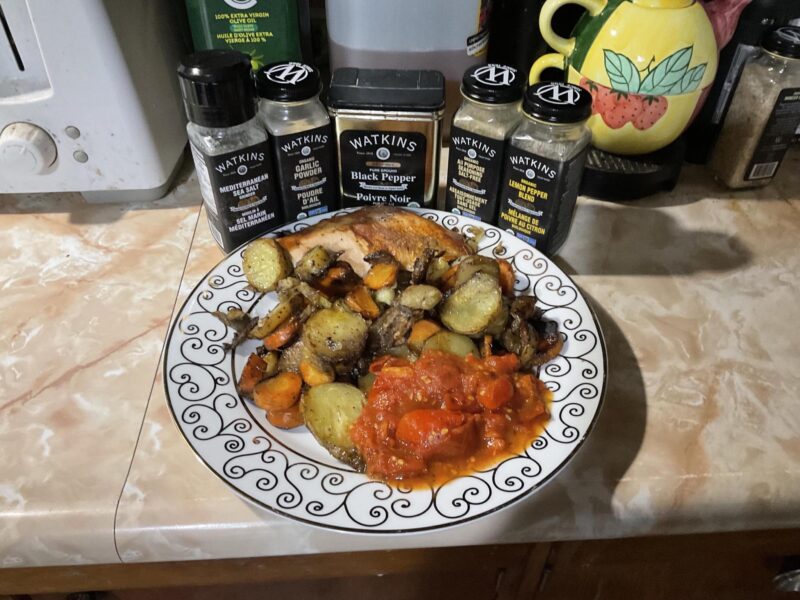
Pheasant Breast, Grilled Carrots and Potatoes, and Spiced Stewed Roma Tomatoes

No Comments
Pheasant Breast, Grilled Carrots and Potatoes, and Spiced Stewed Roma Tomatoes

Continuing our Thanksgiving Celebrations with Leftovers! Not bad for Leftovers! Eh?

Used the Potatoes and Carrots, from our Gardens, that we placed in our Cast Iron Frying Pan to hold the Bird, and center piece to our Ring-Necked Pheasant Dinner yesterday.

The Carrots and Potatoes weren’t quite done when the bird was so we saved them for today. We had separately prepared our vegetables yesterday to help ensure A Happy Thanksgiving Dinner.

So, today, on Thanksgiving Day 2023, I took the Carrots and Potatoes that were not quite done yesterday and sliced them up to grill them in the Castiron Frying Pan. Yes, I love Castiron Cooking! The Carrots I did first with a slight bit of olive oil, we’re currently out of our Rendered Lard, and sauteed the Carrots in the larger of two pans. I then poured the Carrots in the Smaller pan and added some salt and a little brown sugar. Using the larger of the two pans to fry the potatoes. To the potatoes I added Watkins Sea Salt, Pepper, and Rosemary. I then placed the Carrots in a well in the center of the potatoes and topped it with the whole Pheasant, less the Leg Quarters we ate yesterday. I then placed the whole thing in the oven at about 400 F for about 10 minutes to warm the Pheasant. Removing the Vegetables and Breasts after it was sufficiently warm and removing the breasts from the bird.

As the Vegetables and Pheasant was warming in the oven I made the stewed tomatoes from our fresh Briden Farm Garden Tomatoes. Cutting them into small pieces and sauteeing them in a little olive oil, Watkins Sea Salt, Black Pepper, Chilli Pepper, Basil, and Harissa.

So, from one of our Pasture Raised Ring-Necked Pheasant we’ve made two beautiful meals, and still have enough on the carcass to make a couple of sandwiches for later on. The vegetables and the pheasant, all raised or grown by us, sure make a delicious meal; or meals.