Category: Uncategorized

If You’ve Never Tried Pastured Poultry
No Comments
Pastured Chickens

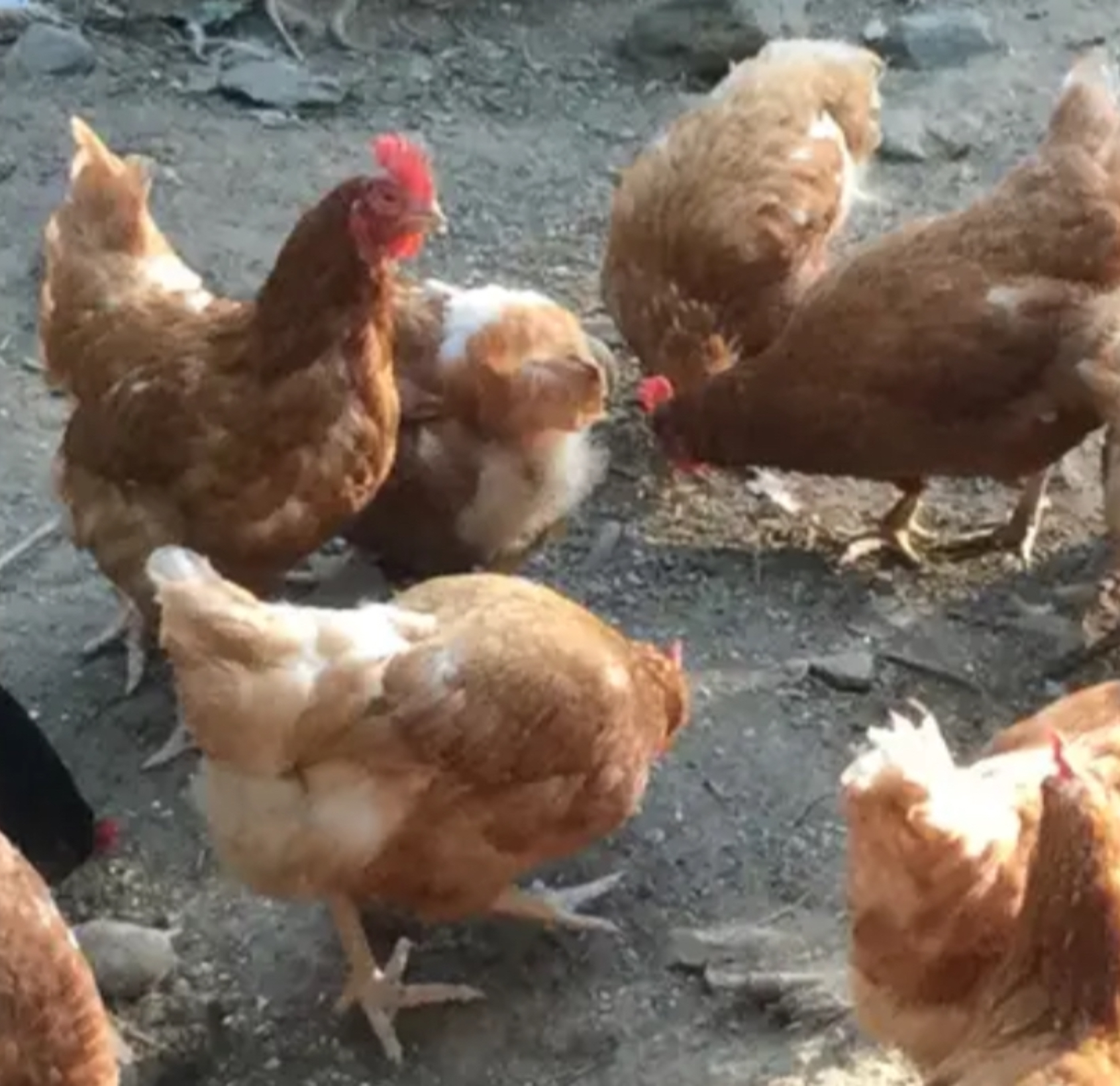
If you’ve never tried pastured poultry, you might be wondering what all the fuss is about. After all, isn’t chicken just chicken? Not quite. Pastured poultry is a game-changer when it comes to flavor, nutrition, and ethical farming. Unlike conventionally raised chickens that spend their lives in cramped, indoor conditions, pastured poultry are raised outside, where they can roam freely, forage for bugs and greens, and live a more natural life. This makes a huge difference in the quality of the meat and eggs they produce. Pastured chicken tends to be richer in flavor, with a firmer texture that’s often described as more “real” compared to the soft, bland meat of factory-farmed birds. If you’ve ever had chicken that reminded you more of cardboard than food, you’ll immediately notice the difference when you take a bite of pastured poultry.

But the benefits go beyond just taste. Studies have shown that pastured poultry has higher levels of omega-3 fatty acids, which are essential for heart health, along with more vitamin E, beta-carotene, and other nutrients. Since these birds are eating a natural diet instead of just grain-based feed, their meat and eggs are packed with more of the good stuff your body needs. Plus, they aren’t pumped full of antibiotics, which is a big deal when it comes to food safety and antibiotic resistance. Many large poultry operations rely on routine antibiotics to keep their birds from getting sick in overcrowded conditions, but pastured birds are naturally healthier due to their cleaner, more spacious environment. That means you can feel good knowing that your chicken isn’t contributing to the growing problem of antibiotic resistance.

Then there’s the environmental and ethical side of things. Pastured poultry farming is better for the land, as it promotes healthier soil and reduces the pollution problems associated with large-scale poultry operations. When birds are allowed to move around and forage naturally, their manure is spread across the land in a way that nourishes the soil rather than contaminating waterways, as often happens in industrial poultry farming. It also means the birds live in a way that’s closer to how nature intended—scratching, pecking, dust-bathing, and enjoying fresh air. If you care about where your food comes from, knowing that your chicken lived a decent life before it ended up on your plate is a huge plus.

Of course, pastured poultry can be a bit more expensive than conventionally raised chicken, but many people find it’s worth the extra cost. When you factor in the better nutrition, superior taste, and the peace of mind that comes from supporting ethical farming, it’s easy to see why so many people are making the switch. Plus, because pastured poultry tends to be more flavorful, you may find that you don’t need as much seasoning or sauce to make a great meal. Simple, high-quality ingredients shine when you start with great chicken.

With pastured poultry, you don’t need complicated recipes to make a great meal. The natural flavor, added nutrients, and ethical benefits make it a choice worth considering. Whether you roast, grill, or stir-fry, you’ll taste the difference and feel good about what you’re eating.

However, if you’re wondering how to make the most of pastured poultry, here are a couple of delicious, simple recipes to get you started. 
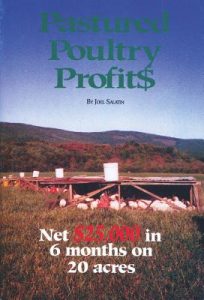
Go Here for Recipes


Pastured Poultry Profits

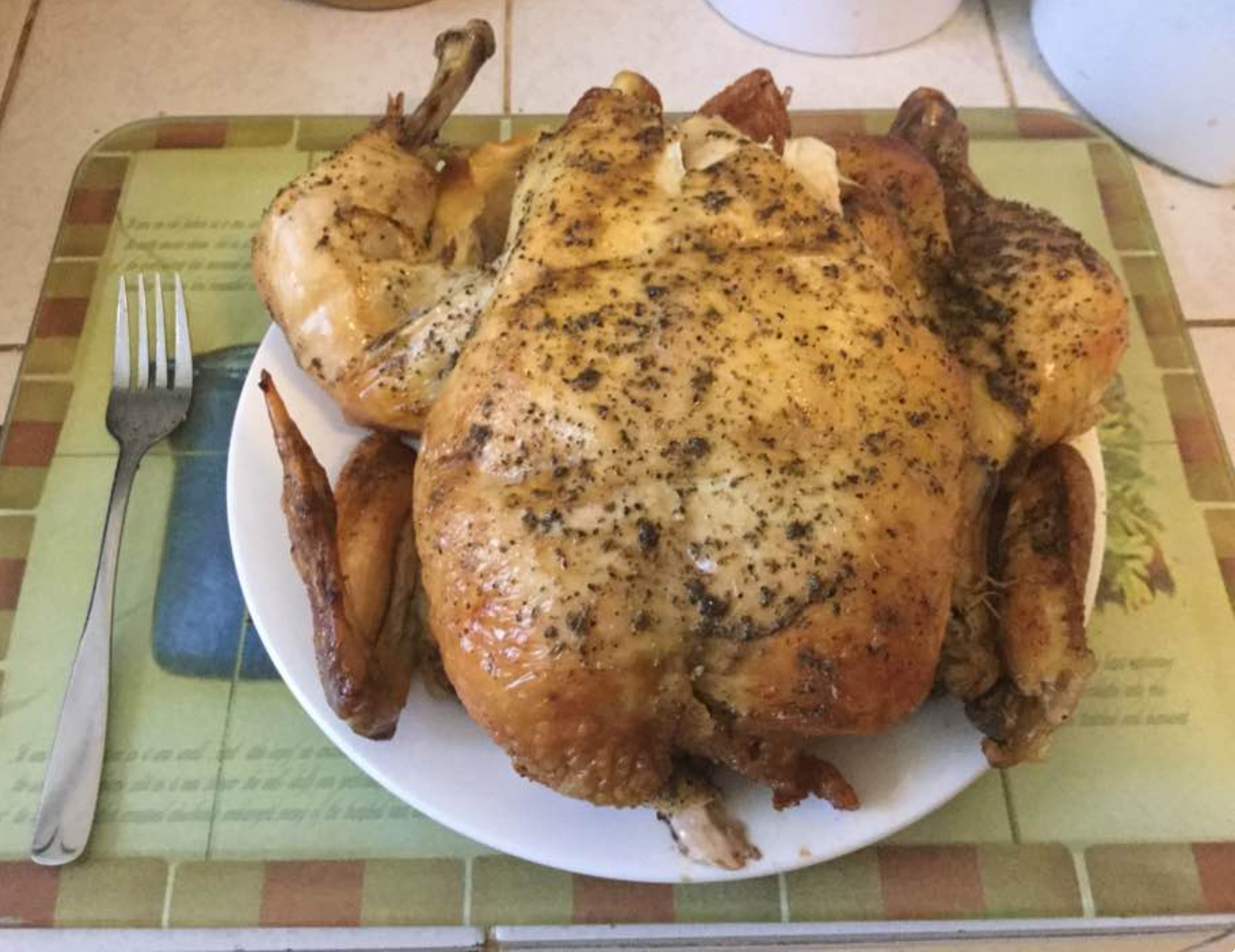
Garlic Herb Roasted Pastured Chicken

No Comments
Roast Chicken

This classic recipe lets the natural flavor of pastured poultry shine.

Ingredients:

• 1 whole pastured chicken

• 2 tbsp olive oil or melted butter

• 4 cloves garlic, minced

• 1 tsp salt

• ½ tsp black pepper

• 1 tbsp fresh rosemary, chopped

• 1 tbsp fresh thyme, chopped

• 1 lemon, cut into wedges

Instructions:

1. Preheat your oven to 375°F (190°C).

2. Pat the chicken dry with paper towels and place it in a roasting pan.

3. In a small bowl, mix the olive oil (or butter), garlic, salt, pepper, rosemary, and thyme.

4. Rub the mixture all over the chicken, making sure to get under the skin for extra flavor.

5. Stuff the cavity with lemon wedges.

6. Roast for about 1 hour and 15 minutes, or until the internal temperature reaches 165°F (75°C). Let rest for 10 minutes before carving. 

Here’s a Recipe for Pastured Chicken and Vegetable Stir-Fry


Pastured Chicken and Vegetable Stir-Fry

No Comments
Stir Fry Photo by Sweet Life on Unsplash

Pastured Chicken and Vegetable Stir-Fry

A quick and healthy meal packed with nutrients.

Ingredients:

• 2 pastured chicken breasts, sliced into thin strips

• 2 tbsp avocado or olive oil

• 1 bell pepper, sliced

• 1 zucchini, sliced

• 1 cup broccoli florets

• 2 cloves garlic, minced

• 1 tbsp soy sauce (or coconut aminos)

• 1 tsp honey

• ½ tsp ground ginger

• 1 tbsp sesame seeds (optional)

Instructions:

1. Heat the oil in a large pan or wok over medium-high heat.

2. Add the chicken and cook for 4–5 minutes until browned.

3. Add the garlic, bell pepper, zucchini, and broccoli, and stir-fry for another 4–5 minutes.

4. In a small bowl, mix soy sauce, honey, and ginger, then pour over the stir-fry.

5. Cook for another 2 minutes until everything is coated and well combined.

6. Sprinkle with sesame seeds before serving.


Chicken Stir Fry Cookbook

Benefits of Deep Bedding

No Comments
Photo by Bethany Szentesi on Unsplash

Deep bedding is a low-maintenance, cost-effective method for managing animal housing on a small homestead. It involves layering organic materials (such as straw, wood shavings, or leaves) in an animal shelter, allowing waste to accumulate while being naturally composted in place. Here are some key benefits:

1. Improved Animal Health & Comfort

*  Provides a warm, dry, and soft surface for animals, reducing stress and injuries.

* Helps prevent foot problems and joint strain, especially in livestock like pigs, goats, and chickens.

* Reduces ammonia buildup, improving air quality and respiratory health.

2. Efficient Waste Management

* Manages manure effectively by absorbing moisture and odors.

* Reduces the frequency of cleaning, saving time and labor.

* The bedding material slowly decomposes, creating nutrient-rich compost.

3. Cost Savings

* Reduces the need for frequent bedding changes, cutting down on material costs.

* Less labor-intensive than daily mucking out, saving time.

* Can be made with locally available or free materials like leaves, grass clippings, or wood chips.

4. Compost Creation & Soil Improvement

* The deep bedding process creates valuable compost that can be used in gardens.

* Provides a natural way to recycle animal waste into nutrient-rich soil amendments.

* Encourages microbial activity, promoting a healthy decomposition process.

5. Odor & Pest Control

* Proper layering and aeration help control ammonia buildup and strong odors.

* Reduces flies and other pests by keeping waste contained and decomposing efficiently.

6. Cold Weather Benefits

* Acts as natural insulation, keeping animals warm in winter.

* The composting process generates heat, providing an extra source of warmth.

* Reduces exposure to cold, damp conditions that can lead to illness.

7. Sustainable & Eco-Friendly

* Utilizes organic waste materials efficiently, minimizing waste.

* Encourages a closed-loop system of nutrient recycling on the homestead.

* Supports regenerative agriculture practices. 


Learn How We Make Deep Bedding and Turn it into Affordable, Natural, Organic Fertilizer 


Recommended Reading from the Brain Hurlburt Bookshop:

The Encyclopedia of Country Living, 50th Anniversary Edition
The Encyclopedia of Country Living, 50th Anniversary Edition (E-Book $3.99)