Category: Uncategorized

Muscovy Duck Is The Poor Man’s Steak
No Comments
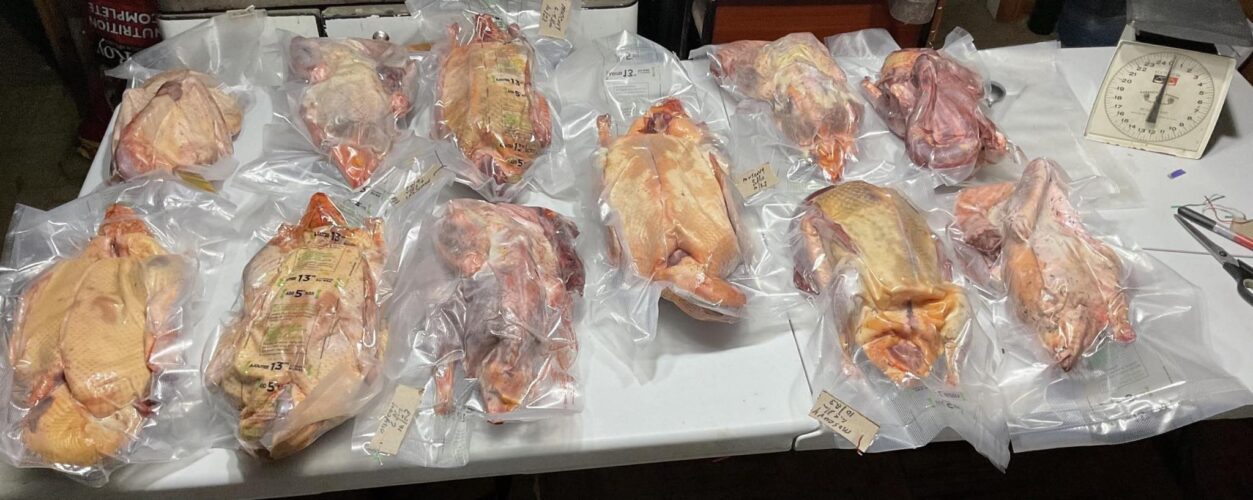
Muscovy Ducks Processed October 2023

Honestly, I think it might be just the opposite! Yes, we do eat meat and yes we do process some of our livestock and poultry into meat. Sadly, when You have too many, especially males, the time comes when they either have to be processed, or they’ll kill each other! Seriously!

Just to clarify though, I do eat meat and have no qualms about it. After all, “Nimrod was a mighty hunter before the Lord”. Genesis 10:9. However, since we treat all our creatures as pets, except for the “One Bad Day”, it is not entered into lightly. I actually name most if not all f them, and when that day comes I feel that it’s my duty, and the last act I can perform to see that the life is ended as humanely as possible. Again, this all makes it harder on me, especially on “That Day”. However, it also means that not only do I connect with that creature when it’s alive, but continue to be thankful for it; often from birth to end of life, and after. It also allows me to know what We’re eating! Intimately!

Honestly, this isn’t what I was planning on writing! However, I think it’s important for me to express it, and for You to know it. I think it’s also important for You to know how great these Muscovy Ducks are! Both alive and afterward!

I used to think Muscovies were about the ugliest bird there was and I’m not sure when exactly that changed but they do make a great pet! Obviously, an outside pet, and not exactly one you’re going to cuddle up with. They enjoy their freedom and independence. This year we raised half our Drakes in our Gardens and Rotational Pastures. They do minimal damage to gardens, help fertilize, and seem to effectively keep most pests, like deer and raccoons, out of the Gardens. They also eat insects and help provide a fair bit of natural, organic, insect control. So, now, I love them! Not to mention they actually don’t require a pond! As long as they can get their heads under water, even in their water dish, and swizzle and cleanse their palate, they’re happy.

In fact, when Muscovy Ducks are happy they wag their tails! Yes! Sort of like a Dog!

Now, let’s set aside all that emotional, “feely”, stuff aside for a moment and talk about the meat!

Muscovy Ducks are said to be derived from Wood Ducks and Geese! Not sure how they got together, but that’s what they say! They originate from the Tropics, yet are very Winter hardy birds. Not actually Ducks, some say, but Waterfowl of their own right. Perhaps the most interesting thing about Muscovies is they have Red Meat! Muscovies are! They’re actually quite dry, almost fat-free, and considered, by many who know it, to be one of the best Steaks! Yes! Being red meat, the Breast can be prepared to resemble top sirloin steak!

Moose Manor Farms has an excellent write-up on Muscovy Ducks and describes the meat thusly…

Muscovy meat is one of the healthiest meats on the market today, being 98% or greater fat free. Many people say that the breast meat of a Muscovy is hard to tell from a Sirloin steak. Famous chefs know this and use Muscovy meat in a number of ways. They have become experienced at cutting and preparing the meat for various delicacies. It is even ground up and used as hamburger in a variety of dishes. Folks on a low-fat diet know that the meat is not only great tasting but very nutritious. And, being so lean, meat from the Muscovy duck is not greasy as is the case with other ducks. Some say that the meat tastes a lot like expensive ham, others say it is hard to tell from veal.

What say You? Would You like to try it?
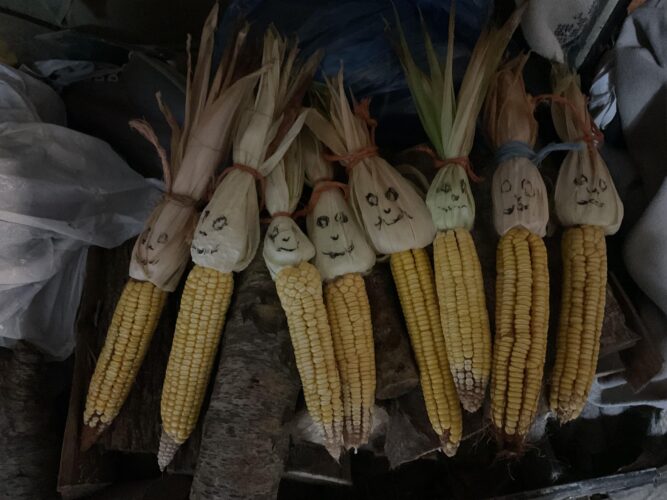


Corny Dolls at Briden Farm

No Comments
Corn Dolls

This is sort of a takeoff of something I’ve wondered about for a long time! Did the Wampanoag or Pequot or perhaps the Pilgrims (All Ancestors) ever make Dolls like this from the corn they grew? These are made from the Dent Corn we planted and we’ll dry them to use for next year’s seed. Dent Corn is used for both making Corn Meal and Livestock Feed.

A little research shows that many of the Tribes, and others, have made Corn Dolls, and many of them make mine look primitive!

Preparing For Hurricane Lee

No Comments
On A Lee Shore

Coming from a Family of at least four or five generations of Hunting and Fishing Guides in Nova Scotia and having a Dad and Brothers who were Commercial Lobster and Ground Fishery fishermen, I always have an eye on the Sky!

So, when all the Doomy Weather Reports and Hype of impending doom build up more steam than most storms, I usually take it with a grain of Salt. However, salt can get quickly erode and blown away when exposed to enough wind and rain!

So, I’ve learned to always prepare for the worst and hope (and Pray) for the best!

So, this has been an exhausting week. First rotating fences and moving everyone to new pastures so as not to have the animals overstress the grass, forage, and soil on already worked pastures. We rotate everyone on a regular basis and the Goats and Pigs typically get moved about every 7-10 days depending on the ground they’re working, the time of year, and the vegetative growth and rainfall amounts. Always trying to build up the land, and not destroy it. It can be a delicate balancing act. So, it having been about a week to ten days since the last move, we moved everyone this week. The last move of pasture will be tomorrow morning here at Briden Farm. The others pretty much are at The Barn Property. Those at the Barn Property will all be getting moved inside tomorrow afternoon; about 12-24 hours ahead of the forecasted arrival of Hurricane Lee. Hurricane Lee is expected to hit us as a Tropical Storm, or Post Tropical Storm, with Gusts of 110-120 km (65-70 mph). It is expected to make Landfall near Yarmouth County, where I’m originally from, then track up over us. The worst of the Storm coming Saturday 16 September 2023 and disipating through the day on Sunday September 17, 2023.

So, tomorrow, Friday We’ll be moving nearly everyone inside the Barn. The possible exception are the Muscovy Ducks. Although, time permitting they may find a spot inside also. We’ve already put in 3-4 twelve-hour days this week! Looks like it might be another one tomorrow. It’ll be interesting as it’s going to pack the Barn. Goats, Pigs, Chickens, Rabbits, Pheasants, Sheep, and in all over 100 Critters! Which also means organizing, and reorganizing, the Barn. It’ll all get done tomorrow! We Pray!

It’s definitely been an exhausting week! You might say…
“We’ve been blown away and Hurricane Lee isn’t even here yet!”

For More Information On Hurricane Lee
Visit the National Hurricane Center

Negative Effects of Glyphosate and Sustainable Alternatives

No Comments
2023 Glyphosate Spraying

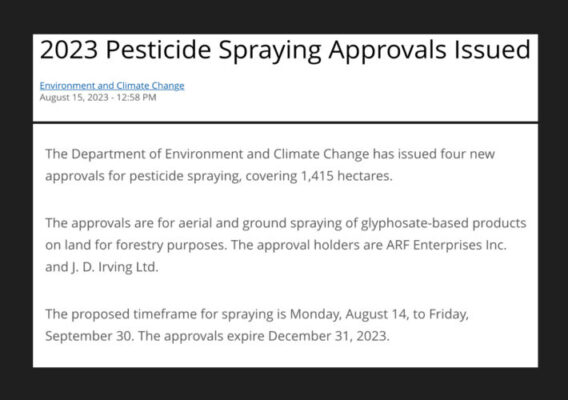
Over the past year or so we’ve heard about Glyphosate being sprayed in the local area. Glyphosate is the ingredient in Roundup and it’s not only been linked to a number of health concerns, it’s also been seen to have a number of negative environmental impacts! So, there have been local concerns and protests and even…

Anti-glyphosate camps pop up in Nova Scotia forests

So, when I was recently contacted by Sebastian Aristizabal, International Outreach Specialist for DrugWatch.com about this I welcomed Sebastian to submit the following information…

The Negative Effects of Glyphosate and Sustainable Alternatives to Roundup

In recent years, there has been growing concern over the use of glyphosate-based herbicides, such as Roundup, and their impact on both the environment and human health. Glyphosate is one of the most widely used herbicides globally, but mounting evidence suggests that it may have negative effects. In this blog, we will explore the potential harms of glyphosate and introduce eco-friendly alternatives that promote a safer and more sustainable approach to weed management.

The Glyphosate Controversy

Glyphosate has been the subject of controversy due to its association with several negative effects:

1. Environmental Impact:
Glyphosate is known to harm non-target plants, insects, and aquatic life. It can disrupt ecosystems and affect biodiversity.

2. Human Health Concerns:
Studies have raised concerns about the potential health risks of glyphosate exposure, including links to cancer, reproductive problems, and neurological disorders.

3. Glyphosate Residues:
Residues of glyphosate have been found in food and drinking water, potentially exposing humans to this chemical even if they don’t use it directly.

Sustainable Alternatives to Roundup

Thankfully, there are alternative methods and products available that can help manage weeds without the negative effects associated with glyphosate:

1. Manual Weeding:
Good old-fashioned hand weeding remains an effective and environmentally friendly method. It might require more labor, but it eliminates the need for harmful chemicals.

2. Mulching:
Applying organic mulch like wood chips, straw, or leaves to your garden can help smother weeds and retain soil moisture. This method is not only effective but also improves soil health.

3. Biological Control:
Introduce natural predators or competitors for weeds, such as beneficial insects or ground-covering plants. This can help keep weed populations in check without the need for herbicides.

4. Organic Herbicides:
Explore organic herbicides that use natural ingredients like acetic acid or citric acid to control weeds. While they may still require caution, they are generally safer than glyphosate-based products.

5. Sustainable Landscaping Practices:
Redesign your landscape to minimize weed growth by planting ground covers, using proper spacing, and reducing bare soil exposure.

Conclusion

The negative effects associated with glyphosate and Roundup cannot be ignored. As responsible stewards of our environment and our health, it’s crucial to explore and adopt sustainable alternatives for weed management. By doing so, we can reduce our reliance on harmful chemicals, protect biodiversity, and create healthier living spaces for ourselves and future generations.

-30-

As for me, I think my first environmental campaign was when I was in my late Teens and the Rio Algol Tin Mine in East Kemptville, Yarmouth County, Nova Scotia overflowed it’s tailings pond and polluted the Tusket River with discharge. I began a protest, escorting ATV reporter Bill Jessome around the community of East Kemptville, and the Tusket River. It was also at that time that Mil Nickerson started TREPA, the Tusket River Environmental Protection Association. Of which I was made an Honorary Lifetime Member when I agreed to combine my efforts with theirs. 

Today, the idea of an herbicide that’s been linked to so many health and environmental concerns, and banned in many areas, being legal in Canada is ludicrous. Especially when Canada is the only G7 Country to make the sale of Raw Milk totally illegal, yet seemingly has no problem with the Toxic Effects of Glyphosate on the Nervous System