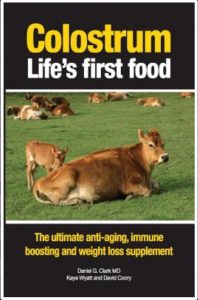
The Importance of Colostrum for Newborn Ruminants

No Comments
A Ewe And Two Lambs Juliette Peyrol-Bonheur (French, 1830–1891)

Colostrum, the first milk produced by the mother after giving birth, is essential for the survival and health of newborn ruminants such as calves, lambs, and kids. It differs significantly from regular milk due to its high concentration of nutrients, antibodies, and other bioactive compounds. Here’s why colostrum is crucial:


1. Passive Immunity Transfer


Newborn ruminants are born without a fully functional immune system and lack maternal antibodies. Colostrum provides immunoglobulins (primarily IgG), which offer passive immunity against pathogens present in the environment. This immunity protects the young animal until its own immune system matures and begins producing its own antibodies.


2. Rich Nutritional Content


Colostrum contains higher levels of proteins, fats, vitamins (A, D, and E), and minerals compared to regular milk. These nutrients are vital for energy, growth, and the development of critical organs, particularly the gastrointestinal system.


3. Gut Health and Development


The bioactive compounds in colostrum, such as growth factors, help in the development of the gastrointestinal tract. These compounds stimulate cell growth, repair intestinal tissues, and enhance nutrient absorption.


4. Disease Prevention


The antibodies and antimicrobial factors in colostrum, such as lactoferrin and lysozymes, protect newborns from bacterial, viral, and fungal infections. This is especially important in the early days when the animal is highly vulnerable to diseases.


5. Energy Supply


Newborn ruminants have low energy reserves at birth. Colostrum provides a concentrated source of energy, particularly from fats, which is crucial for thermoregulation and physical activity in the first hours of life.


6. Timing is Critical


The ability of the newborn’s intestine to absorb immunoglobulins decreases rapidly after birth, with the most efficient absorption occurring within the first 6-12 hours. By 24 hours, the gut closure process significantly reduces the uptake of these antibodies. Therefore, ensuring the newborn consumes sufficient colostrum as soon as possible is critical.


7. Quality and Quantity

Quality: High-quality colostrum has a high concentration of immunoglobulins and is free from contamination. Testing tools like a colostrometer or Brix refractometer can help assess colostrum quality.

Quantity: The general guideline is that newborns should consume about 10% of their body weight in colostrum within the first 12 hours of life.


Conclusion


Colostrum is more than just the first milk; it is a lifeline for newborn ruminants. Proper management of colostrum feeding—focusing on quality, quantity, and timing—is essential for ensuring the health, survival, and long-term productivity of young ruminants. Livestock producers must prioritize colostrum management to maximize the benefits for their herds or flocks. 


Recommended Reading from the Brian Hurlburt Bookshop: 
 

Raising Goats Naturally

No Comments

When we got started with Goats at Briden Farm we just jumped right in! Actually we’d had Goats before so it made it a bit easier. Actually we’d had moved the goats in before we actually lived here! However, it may have been beneficial if we had read a book! Perhaps …

Book: Raising Goats Naturally

Much of what is in this book we’ve learned through years of trial and error! It’s probably cost us far more than the cost of the book! So, here’s Your chance to Learn, if not from our mistakes, at least from a Book that will help You work with nature to raise goats to produce milk, cheese, meat, fertilizer, leather, fiber, and soap – all without relying on drugs or following the factory farm model. That’s more than We do! So, pretty sure You’ll more than get Your moneys worth, and perhaps more importantly, Save You hours of Frustration! 

The Book also includes: 

  • Breed-specific descriptions to help you choose the right goats for your goals and lifestyle
  • Detailed information on housing, fencing, breeding, health, milking, and nutrition
  • Complete recipes and instructions for making your own cheese, dairy products, and soap, as well as cooking with goat meat.

We’d be glad to hear Your Book Review in the Comments!


More Recommended Reading…

Recommended Reading from the Brian Hurlburt Bookshop
Shop Now at the Brian Hurlburt Bookshop

Invest $1/Day to Advertise to 200-300 Visitors Daily

No Comments
Advertise on BridenFarm.com

Advertise on BridenFarm.com for just $1 per Day! For Just $30 per month You can see Your Banner on BridenFarm.com and so can hundreds of others who visit our Website!

WP Stats as at 15 Jan .2025

Today is 15 Jan 2025, and According to WP Stats we’ve had 3,500 Visitors This Year with a total of 1.4 Million Visits since 30 Oct 2020. Averaging 910.27 Visits Per Day! 200-300 Visitors Daily! 

SiteKit Stats as at 15 Jan 2025

According to Google’s Site Kit Summary 49.5% of our Visitors over the past 28 Days have been from Canada, with 34.2% coming from the USA. Looking further Site Kit Stats show that …

1m 53s Avg Time on Site

This means our website Visitors spend more than twice as long on BridenFarm.com than on other websites! According to MetricHQ, “A good benchmark for Average Time on Page is 52 seconds, across multiple industries. Based on data from 20 billion user sessions“. 

Nos, it’s Your turn to Be Seen! We’ve proven we can generate traffic and keep people on our website. The longer they’re on our website the more apt they are to See Your Ad. Look to the Right Side of our website and You’ll see ads, for just $1/Day Your Ad can Be Seen there too! 

For more information, or to get started, contact Brian Hurlburt at 902-907-0770 

I’ve Found a Source for Volcanic Coffee from Costa Rica!

No Comments
Costa Rican Rainforest beneather the Arsenal Volcano

Back in 2018, before the earth shook, and the world shifted, we were blessed to visit the Arenal Volcano (Spanish: Volcán Arenal) an active andesitic stratovolcano in north-western Costa Rica around 90 km (56 mi) northwest of San José, in the province of Alajuela.

Alajuela is one of the main Coffee growing areas in Costa Rica. Not only did I discover how incredible Volcanic Coffee is, I also had a deep, heartfelt, connection to Costa Rica. Later discovering that at least some of my DNA is Meso-American and Costa Rica is in the heart of that Region! I love this area, and Volcanic Coffee, especially Coffee From Costa Rica.

So, when I recently discovered the Volcanica Coffee Company, I approached them to see if I could earn a little income promoting their Coffee! They said Yes! 

Volcanica Coffee