Category: Winter

Heavy Snow and Our Briden Farm Trees: A Winter Challenge

2 Comments
Snow cripples Trees

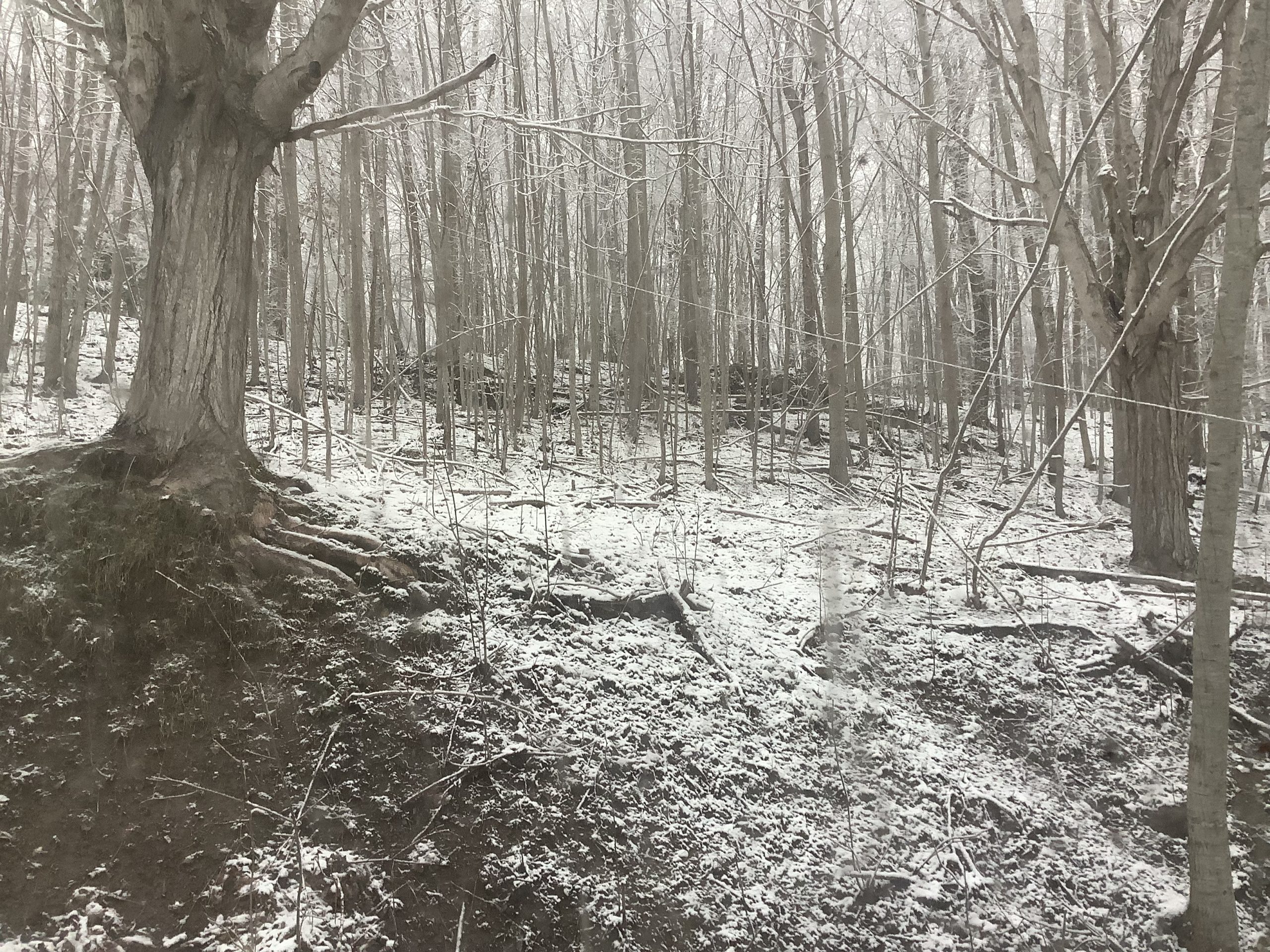
Winter storms bring beauty to the farm, but this week’s snowfall has been more than picturesque—it’s a heavy load on our already drought-stressed trees. Some of our 30-foot trees are bent so low their tops nearly touch the ground, and others carry six inches of snow on their branches.

Drought-weakened trees are more brittle and prone to breaking under snow’s weight. A snapped branch can damage fences, farm buildings, or even injure livestock. For farms with orchards, windbreaks, or shade trees, this can mean serious losses if the snow is left unchecked.

Farmers can take a few careful steps: gently brushing snow off branches, checking for broken limbs, and keeping a safe distance from trees near structures or livestock. Professional help may be needed for larger trees or dangerous situations.

Winter storms are part of farm life, but this combination of drought and heavy snow reminds us that our trees—and our farms—need extra care during extreme weather.


Poor Man’s Fertilizer: The Power of Snow

No Comments
Poor Man’s Fertilizer

The term “Poor Man’s Fertilizer” actually refers to snowfall, especially an early spring snow. 

The old farming phrase “Poor Man’s Fertilizer” refers not to rain, but to snowfall, particularly that light blanket of snow that falls in late winter or early spring. While it might look like just a pretty dusting, it’s actually delivering a quiet gift to the soil.

Here’s why snow got this nickname:

• Nitrogen Boost: As snow falls, it captures nitrogen from the atmosphere. When that snow melts, the nitrogen is released into the soil — giving plants a free, natural nutrient boost.

• Slow Release Moisture: Unlike rain, snow melts gradually, seeping moisture into the ground more evenly. This helps prevent runoff and erosion.

• Soil Insulation: Snow acts as a thermal blanket, protecting dormant plants and microbial life from harsh temperature swings and deep freezes.

• Cost-Free Fertilizer: For farmers who couldn’t afford store-bought fertilizers, a good snowfall was a welcome and valuable natural aid — hence the name.

So next time you see snow falling in March or April, don’t just grumble — it might just be doing your soil a favor. 


Recommending Reading…

Roscoe and Maple Working as Dog Team for First Time

No Comments
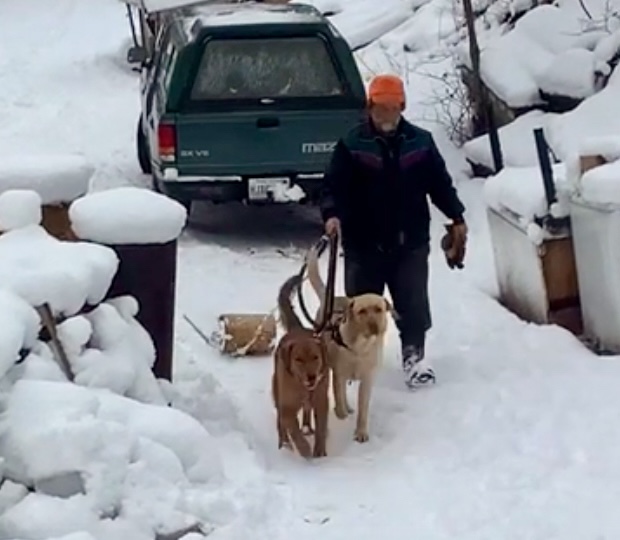
Roscoe and Maole pulling the Toboggan for the firt time.

I’ve never had a real Dog Sled, or Team, but always dreamed about it! I’ve been able to train Roscoe to help me pull feed and water for the animals on the toboggan. Roscoe also helps me haul and bring in Firewood. Imagine what we can do when Maple and Roscoe really get things worked out, and we can do even more!  Not sure I’ll ever run the Iditarod, which was one of my somewhat wistful dreams, but together we can accomplish great things! 

Watch this video to see what a good job they did today…

It’s also so nice to see Maple and Roscoe enjoying themselves outside. Maple has only been with us about 5 weeks. She’s come so far! When she come she suffered from separation anxiety and was super hyper. She definitely still has room for improvement, but she’s come so far! She’s settled down, a lot. She’s learning to listen, and lay down when it’s time, and respond when it’s appropriate! Looking forward to see what Maple and Roscoe do in the days to come! 


Recommended Reading from the Brain Hurlburt Bookshop: 

Book: The Fine Madness of Running the Iditarod

mmm


Our Goats are Looking for Your Christmas Tree-Eats

No Comments

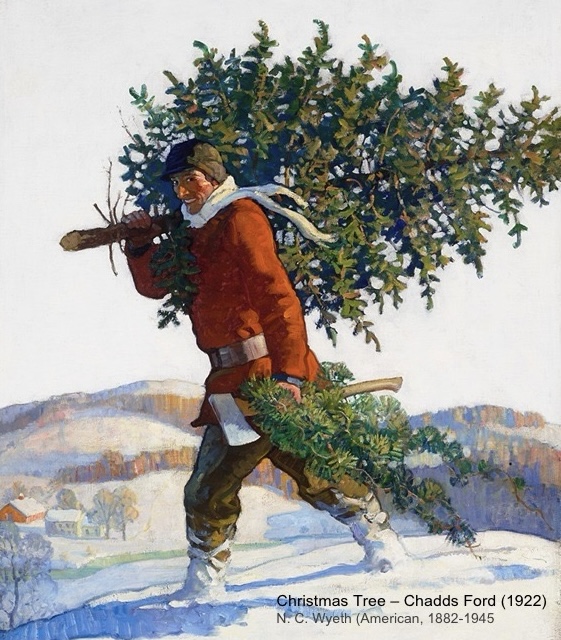
Goats enjoy eating Christmas trees, and the trees provide a natural, nutritious treat. If you’re looking for an environmentally friendly way to discard your Christmas tree please remember our goats. Please call Brian at 902-907-0770. 

Benefits for Goats:

1.Rich in Vitamins: needles are high in Vitamin C and other nutrients.

2.Natural Dewormer: Some types may help with parasite control.

3.Entertainment: Climbing on and nibbling the tree keeps goats engaged.

Guidelines:

•Check for Chemicals: Only untreated trees (no pesticides, paint, or fire retardants) are safe for goats.

•Remove Decorations: All ornaments, hooks, tinsel, and lights must be removed.

•Safe Tree Types: Fir, spruce, and pine are generally safe. Avoid yew, as it’s toxic.

We’re located at Briden Farm, in Bear River, Nova Scotia. Since we’re difficult to find and somewhat isolated at the time of Year, We’ve made arrangements and for Your convenience, Trees may be dropped off beside the Barn at 6907 Sissiboo Road, Bear River, Nova Scotia, B0S1B0. Or call Brian at 902-907-0770 for possible pickup. 

Would you like help finding a local farm that accepts Christmas trees? If you’re not in the Bear River area, but have trees, please let us know and we’ll try to connect you with a local homestead or farm. If You’re a Homesteader, or Farmer, who’d like Trees, please let us know. 

Thanks in Advance, Happy New Year! 


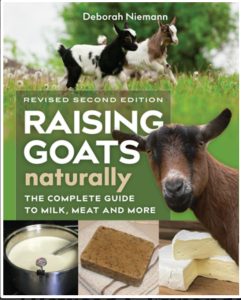
Book: Raising Goats Naturally, 2nd Edition: The Complete Guide to Milk, Meat, and More (Revised & Expanded)
Deborah Niemann (Author)