Category: Eggs

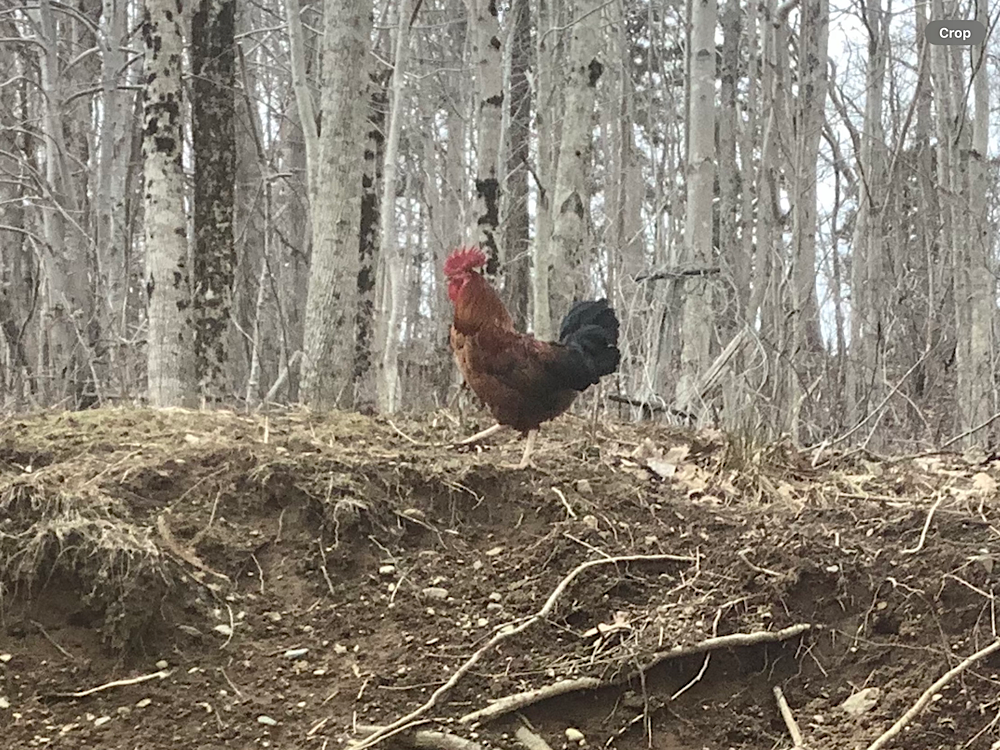
Easter Egger Roosters Available
No Comments
Easter Egger Rooster

Easter Egger Roosters are a popular choice among backyard chicken keepers, especially those who love a splash of personality and color in their flock. Here’s a quick overview of what makes them special—and what to watch out for.

What Is an Easter Egger?
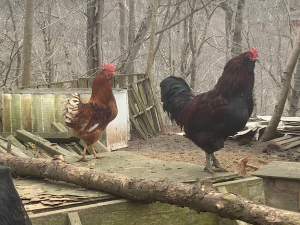
Easter Egger Roosters

“Easter Egger” isn’t a true breed but rather a chicken that carries the blue egg gene, usually from breeds like Ameraucana crossed with other types. The result? Chickens that can lay a rainbow of egg colors (though roosters don’t lay eggs, of course!).

Traits of Easter Egger Roosters

1. Appearance:

• Wildly varied! No two Easter Eggers look exactly the same.

• They can have beards, muffs, pea combs, and come in many color patterns.

• Often have greenish legs and stocky builds.

2. Temperament:

• Unpredictable. Some Easter Egger roosters are calm, friendly, and protective. Others can be aggressive and territorial. Ours are very tame.

• Socialization from a young age helps reduce aggression.which is why our Roosters are tame.

3. Crowing:

• Like all roosters, they crow—early and often. Keep this in mind if you have close neighbors or noise restrictions.

4. Breeding:

• When bred with hens that carry the blue egg gene, they can pass on colorful egg-laying genetics to offspring.

• Their chicks can have a wide variety of appearances, just like them.

5. Behavior:

• Active and alert.

• Can be good flock protectors, sounding the alarm for predators and keeping an eye on the hens.

Pros of Keeping an Easter Egger Rooster:

• Adds genetic diversity and fun traits to your flock.

• Can pass on colorful egg-laying potential to chicks.

• Unique appearance adds flair to your flock.

Tips for Managing an Easter Egger Rooster:

• Handle often when young to promote friendliness. Like we do at Briden Farm.

• Don’t tolerate aggression—firm boundaries are key.

• Provide plenty of hens (8–10 per rooster) to avoid over-mating.

• Watch for signs of bullying or feather loss in hens.

Want help naming your rooster or managing a feisty one?
I’ve got tips for that too—just say the word!

Have Questions? Call Brian at Briden Farm 902-907-0770 

Book: The Small Scale Poultry Flock

Benefits of Farm Fresh Eggs

No Comments
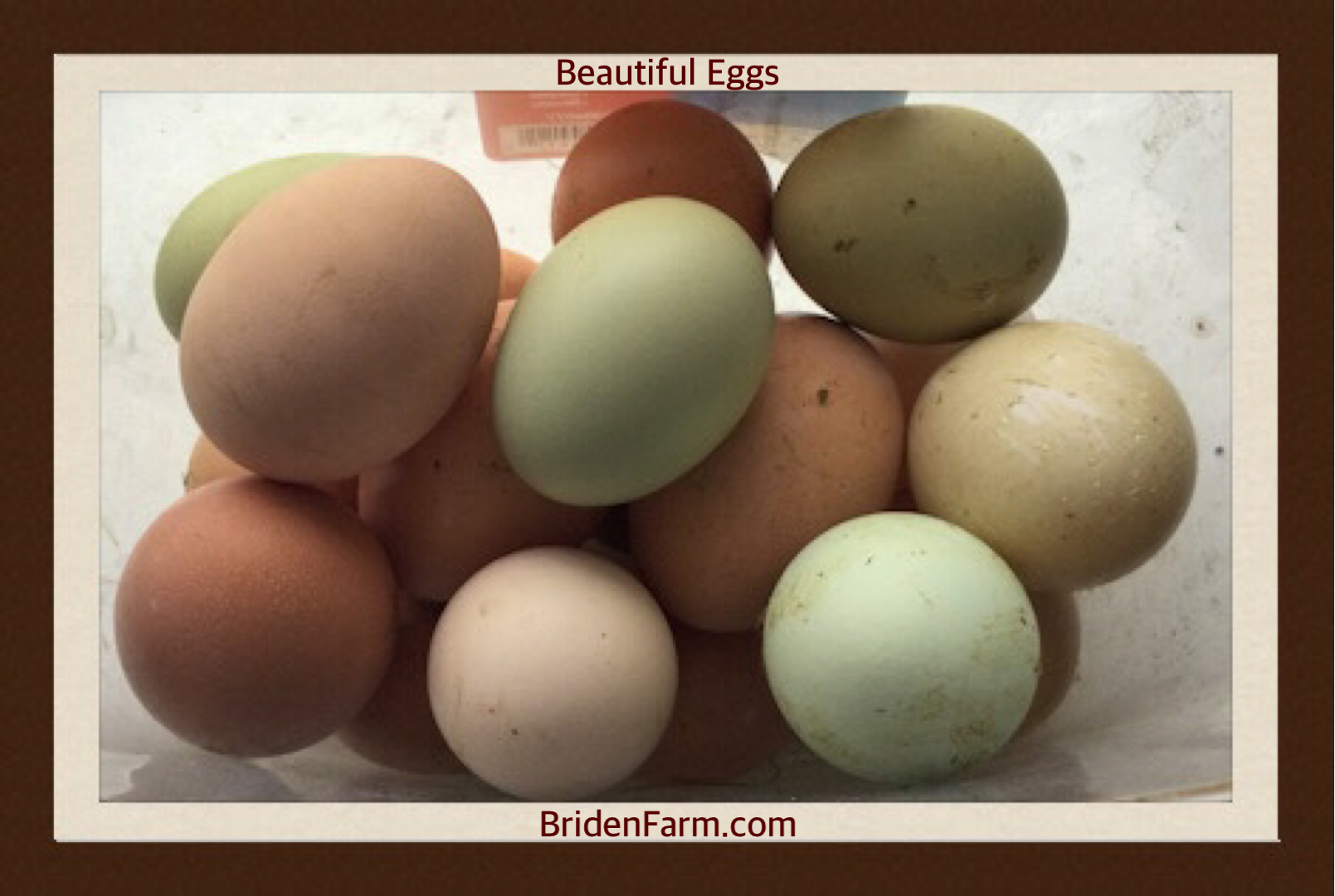
Beautiful Easter Eggs

There’s something special about cracking open a farm-fresh egg—the deep golden yolk, the firm whites, and the knowledge that it came from a happy, well-cared-for hen. If you’ve ever had eggs straight from a local farm, backyard coop, or farmers’ market, you know they taste better. But beyond flavour, farm-fresh eggs offer a ton of benefits that make them worth seeking out.

One of the biggest advantages is nutrition. Fresh eggs tend to be richer in vitamins like A, D, and E, as well as omega-3 fatty acids, thanks to the varied diet of free-range chickens. Hens that roam outside eat a mix of grains, bugs, and plants, leading to eggs with a more balanced and nutrient-packed profile compared to their store-bought counterparts. Studies have even shown that pastured eggs can have higher levels of antioxidants, which help fight inflammation and boost overall health.

Then there’s the matter of freshness. Store-bought eggs can be weeks old by the time they hit your fridge, while farm-fresh eggs are often laid just days—or even hours—before you bring them home. This freshness not only enhances the taste but also makes them better for baking, as the proteins hold their structure more effectively, resulting in fluffier cakes, firmer meringues, and richer custards. Plus, because farm eggs don’t go through commercial washing processes that strip away their natural protective coating, they stay fresh longer when stored unwashed at room temperature.

Ethics and sustainability also play a big role. Many small-scale farmers prioritize humane treatment, giving their hens plenty of space to roam, dust bathe, and enjoy a more natural lifestyle. When you buy locally, you’re also supporting sustainable farming practices and reducing the carbon footprint associated with transporting mass-produced eggs across the country. It’s a simple way to contribute to a healthier food system while enjoying a superior product.

Of course, the joy of farm-fresh eggs isn’t just about nutrition or ethics—it’s also about the connection to where your food comes from. Knowing the farmer, seeing the hens pecking in the grass, and cracking open an egg that was laid that very morning makes breakfast feel a little more special. Whether you’re scrambling them, poaching them, or baking with them, farm-fresh eggs bring a richness and depth of flavor that’s hard to beat. So if you haven’t already, give them a try—you might never go back to store-bought again! 


The Backyard Homestead Guide to Raising Farm Animals

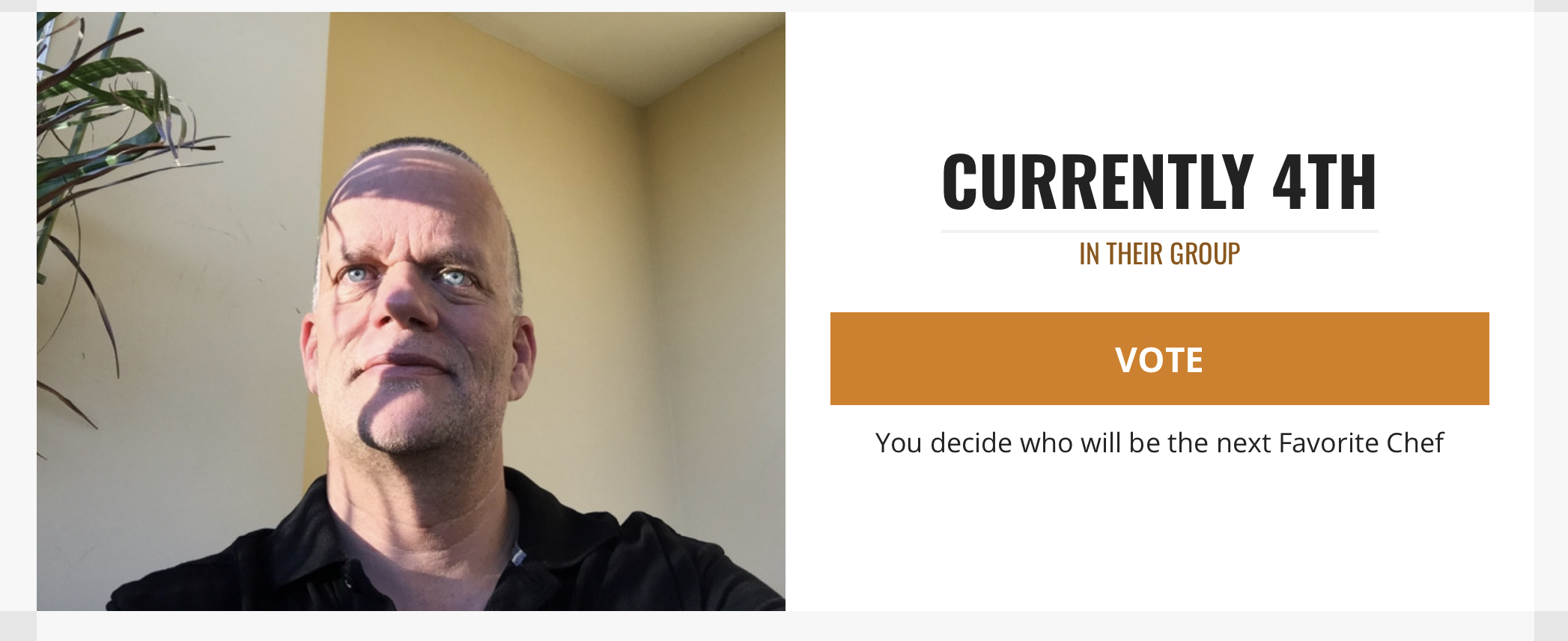
Currently 4th Place! Vote for Brian Hurlburt for FavChef 2024

5 Comments
Currently 4th Place on FavChef 2024

So humbled by all the love! Please Vote Daily! I’m counting on You! 

Please Vote and Share the Link

Sure appreciating all Your Support! I’ve also set up a Chef Brian Hurlburt page on FaceBook to help keep everyone up dated. Thanks Again!

Visit Chef Brian Hurlburt on Facebook


Feeding, Watering, and Housing Chicks

No Comments
Feeding, watering, and housing chicks

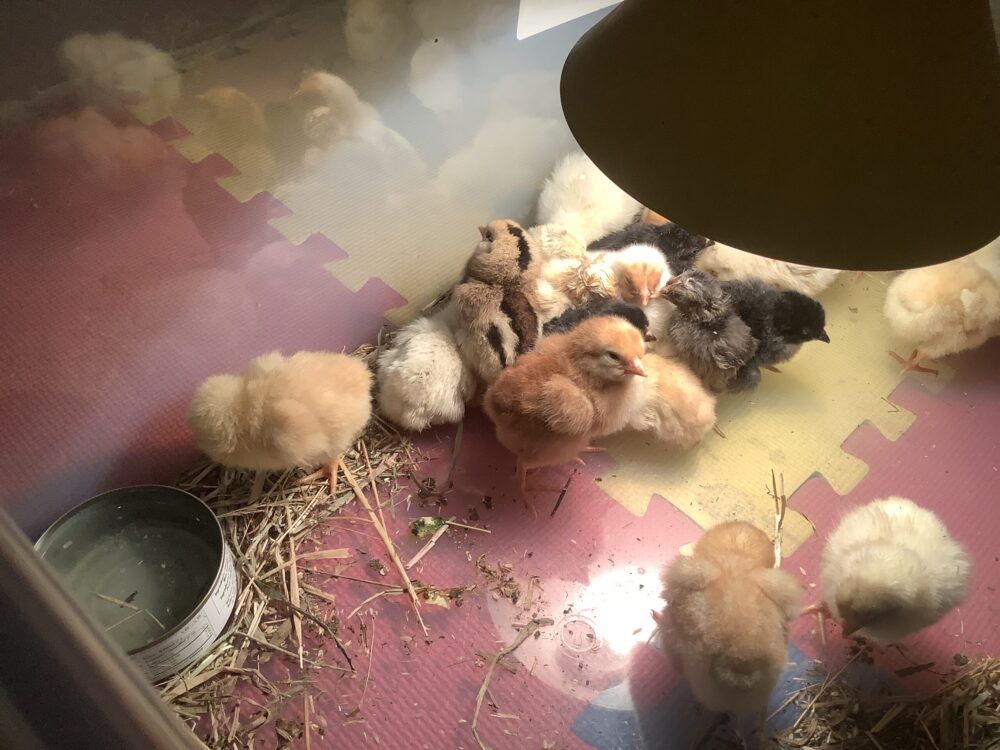
These chicks are from 3-6 days old, and have been in the Brooder Box for about half that time. This video shows how they’re getting along and how we feed, water, and house them.

So, that gives you an idea of what we do with and for our Chicks.
Get the Magic Water Recipe