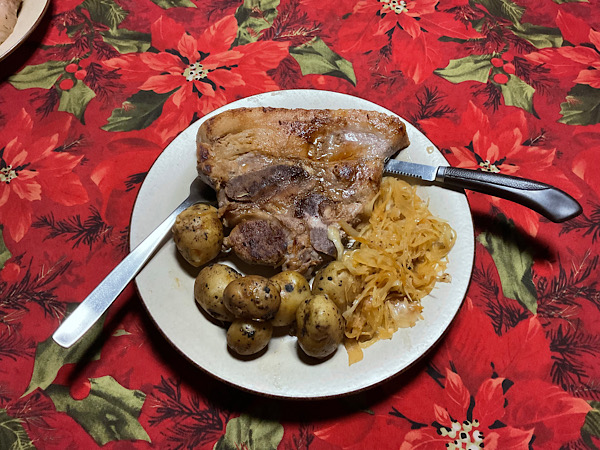
Yes, we found out the hard way! Overfeeding potatoe, especially frozen potatoes, to goats can lead to bloat and other digestive issues. Here’s why:
1. Starch Overload
Potatoes are high in starch, which goats’ rumens aren’t well-equipped to handle in large quantities. Excess starch can disrupt the balance of microbes in their rumen, leading to fermentation, gas buildup, and potentially bloat.
2. Frozen Potatoes & Digestive Shock
Frozen potatoes can be harder for goats to digest, potentially causing impaction or slowing down digestion, which increases the risk of bloat.
3. Solanine Toxicity
While potatoes themselves aren’t highly toxic to goats, green or sprouted potatoes contain solanine, a natural toxin that can cause digestive distress and other health issues if consumed in significant amounts.
4. Improper Fermentation in the Rumen
Goats thrive on fibrous foods like hay and browse. When fed too many starchy foods like potatoes, their rumen microbes struggle to process the food efficiently, leading to excessive gas production and the risk of acidosis or bloat.
Safe Feeding Practices
• Moderation is Key: Feed potatoes only as an occasional treat, not a dietary staple.
• Avoid Frozen or Rotten Potatoes: Stick to fresh, cooked, or well-chopped raw potatoes.
• Balance with Roughage: Ensure goats have plenty of hay and fiber to aid digestion.
• Monitor for Bloat Symptoms: Look out for a distended abdomen, discomfort, excessive salivation, or trouble breathing, and seek veterinary help if needed.
Our Goals, especially two of them, love them. We nearly lost two! They bloated. It didn’t take a lot just two or three per goat. Possibly because they got into someone else’s. If that happened they might have overloaded that way. Now, we feed them sparingly. Our sheep seem to handle them much better, but we’re being careful about them too!
Deep bedding is a low-maintenance, cost-effective method for managing animal housing on a small homestead. It involves layering organic materials (such as straw, wood shavings, or leaves) in an animal shelter, allowing waste to accumulate while being naturally composted in place. Here are some key benefits:
1. Improved Animal Health & Comfort
* Provides a warm, dry, and soft surface for animals, reducing stress and injuries.
* Helps prevent foot problems and joint strain, especially in livestock like pigs, goats, and chickens.
* Reduces ammonia buildup, improving air quality and respiratory health.
2. Efficient Waste Management
* Manages manure effectively by absorbing moisture and odors.
* Reduces the frequency of cleaning, saving time and labor.
* The bedding material slowly decomposes, creating nutrient-rich compost.
3. Cost Savings
* Reduces the need for frequent bedding changes, cutting down on material costs.
* Less labor-intensive than daily mucking out, saving time.
* Can be made with locally available or free materials like leaves, grass clippings, or wood chips.
4. Compost Creation & Soil Improvement
* The deep bedding process creates valuable compost that can be used in gardens.
* Provides a natural way to recycle animal waste into nutrient-rich soil amendments.
* Encourages microbial activity, promoting a healthy decomposition process.
5. Odor & Pest Control
* Proper layering and aeration help control ammonia buildup and strong odors.
* Reduces flies and other pests by keeping waste contained and decomposing efficiently.
6. Cold Weather Benefits
* Acts as natural insulation, keeping animals warm in winter.
* The composting process generates heat, providing an extra source of warmth.
* Reduces exposure to cold, damp conditions that can lead to illness.
I’ve never had a real Dog Sled, or Team, but always dreamed about it! I’ve been able to train Roscoe to help me pull feed and water for the animals on the toboggan. Roscoe also helps me haul and bring in Firewood. Imagine what we can do when Maple and Roscoe really get things worked out, and we can do even more! Not sure I’ll ever run the Iditarod, which was one of my somewhat wistful dreams, but together we can accomplish great things!
Watch this video to see what a good job they did today…
It’s also so nice to see Maple and Roscoe enjoying themselves outside. Maple has only been with us about 5 weeks. She’s come so far! When she come she suffered from separation anxiety and was super hyper. She definitely still has room for improvement, but she’s come so far! She’s settled down, a lot. She’s learning to listen, and lay down when it’s time, and respond when it’s appropriate! Looking forward to see what Maple and Roscoe do in the days to come!
Recommended Reading from the Brain Hurlburt Bookshop: