Tag: Canada

Poor Man’s Fertilizer: The Power of Snow
No Comments
Poor Man’s Fertilizer

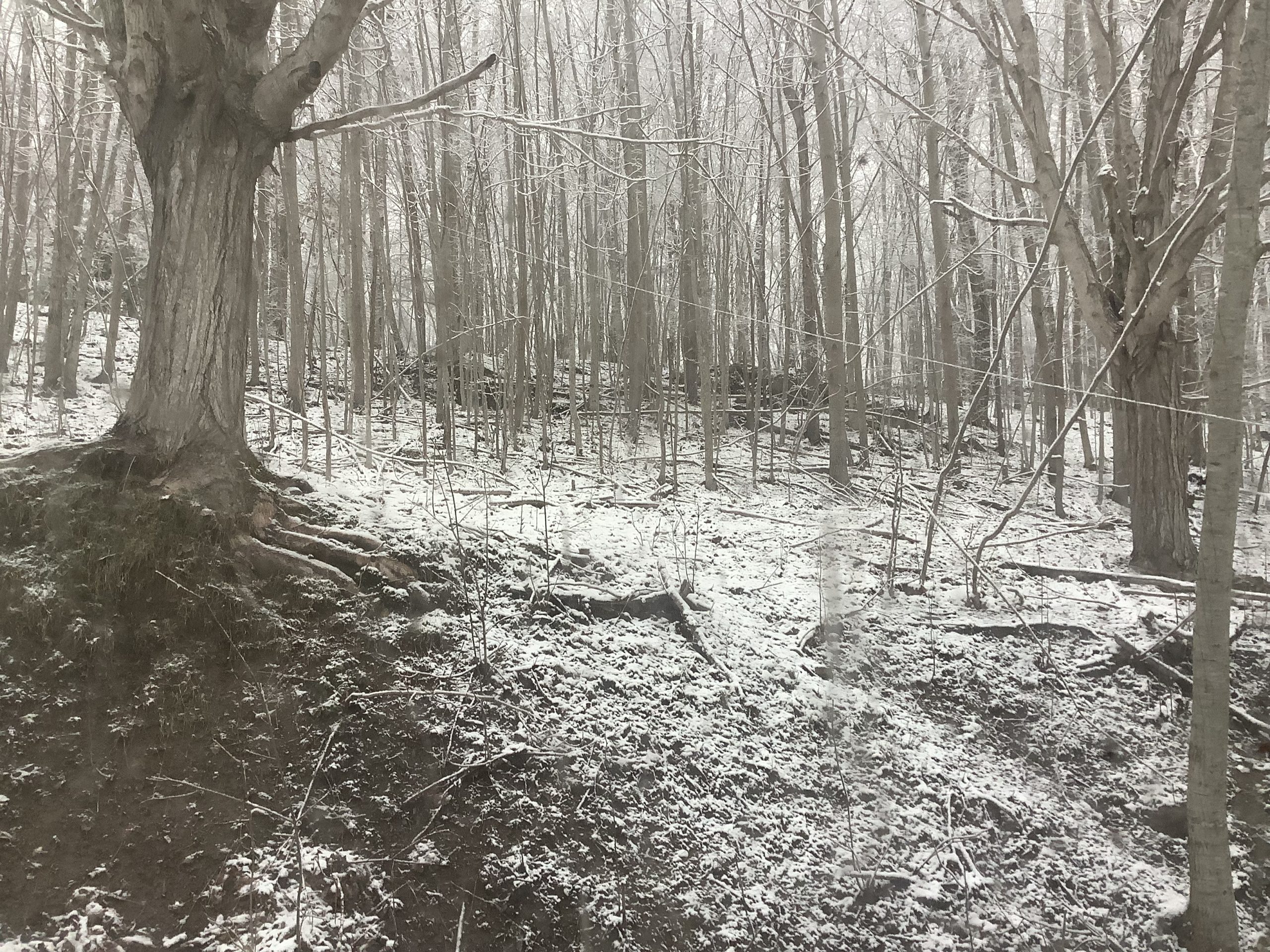
The term “Poor Man’s Fertilizer” actually refers to snowfall, especially an early spring snow. 

The old farming phrase “Poor Man’s Fertilizer” refers not to rain, but to snowfall, particularly that light blanket of snow that falls in late winter or early spring. While it might look like just a pretty dusting, it’s actually delivering a quiet gift to the soil.

Here’s why snow got this nickname:

• Nitrogen Boost: As snow falls, it captures nitrogen from the atmosphere. When that snow melts, the nitrogen is released into the soil — giving plants a free, natural nutrient boost.

• Slow Release Moisture: Unlike rain, snow melts gradually, seeping moisture into the ground more evenly. This helps prevent runoff and erosion.

• Soil Insulation: Snow acts as a thermal blanket, protecting dormant plants and microbial life from harsh temperature swings and deep freezes.

• Cost-Free Fertilizer: For farmers who couldn’t afford store-bought fertilizers, a good snowfall was a welcome and valuable natural aid — hence the name.

So next time you see snow falling in March or April, don’t just grumble — it might just be doing your soil a favor. 


Recommending Reading…
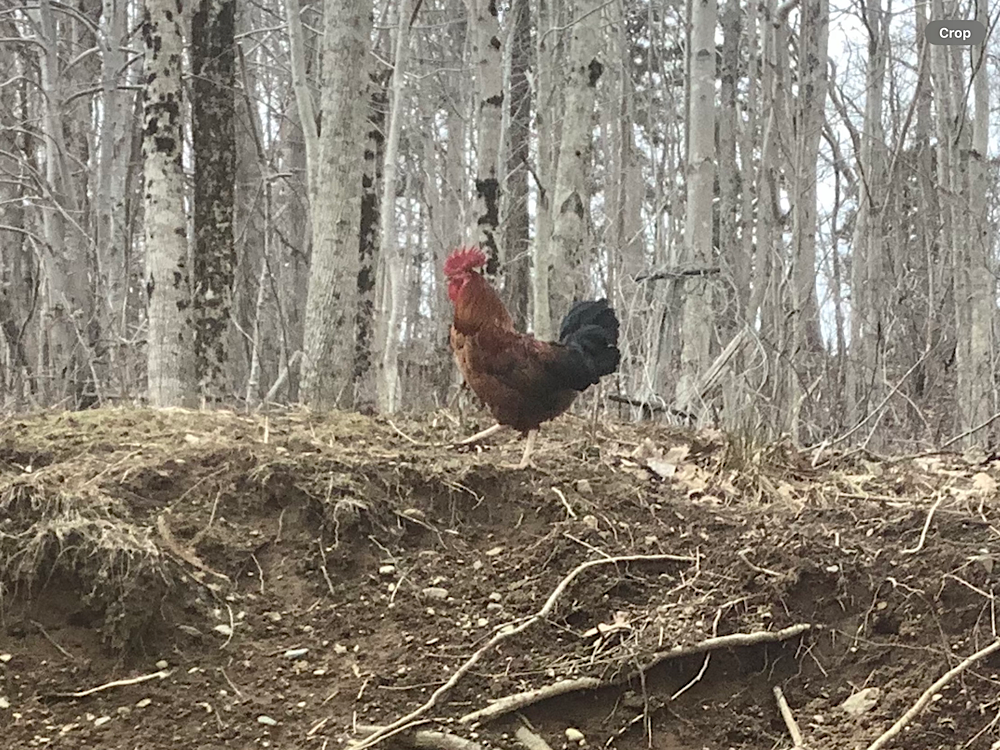
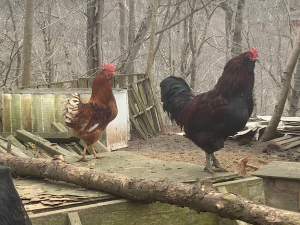
Easter Egger Roosters Available

No Comments
Easter Egger Rooster

Easter Egger Roosters are a popular choice among backyard chicken keepers, especially those who love a splash of personality and color in their flock. Here’s a quick overview of what makes them special—and what to watch out for.

What Is an Easter Egger?

Easter Egger Roosters

“Easter Egger” isn’t a true breed but rather a chicken that carries the blue egg gene, usually from breeds like Ameraucana crossed with other types. The result? Chickens that can lay a rainbow of egg colors (though roosters don’t lay eggs, of course!).

Traits of Easter Egger Roosters

1. Appearance:

• Wildly varied! No two Easter Eggers look exactly the same.

• They can have beards, muffs, pea combs, and come in many color patterns.

• Often have greenish legs and stocky builds.

2. Temperament:

• Unpredictable. Some Easter Egger roosters are calm, friendly, and protective. Others can be aggressive and territorial. Ours are very tame.

• Socialization from a young age helps reduce aggression.which is why our Roosters are tame.

3. Crowing:

• Like all roosters, they crow—early and often. Keep this in mind if you have close neighbors or noise restrictions.

4. Breeding:

• When bred with hens that carry the blue egg gene, they can pass on colorful egg-laying genetics to offspring.

• Their chicks can have a wide variety of appearances, just like them.

5. Behavior:

• Active and alert.

• Can be good flock protectors, sounding the alarm for predators and keeping an eye on the hens.

Pros of Keeping an Easter Egger Rooster:

• Adds genetic diversity and fun traits to your flock.

• Can pass on colorful egg-laying potential to chicks.

• Unique appearance adds flair to your flock.

Tips for Managing an Easter Egger Rooster:

• Handle often when young to promote friendliness. Like we do at Briden Farm.

• Don’t tolerate aggression—firm boundaries are key.

• Provide plenty of hens (8–10 per rooster) to avoid over-mating.

• Watch for signs of bullying or feather loss in hens.

Want help naming your rooster or managing a feisty one?
I’ve got tips for that too—just say the word!

Have Questions? Call Brian at Briden Farm 902-907-0770 


Book: The Small Scale Poultry Flock

Briden Farm takes a Hands-On, Respectful approach to Raising Pigs

No Comments
Ginger, Lara, and Brian

At Briden Farm, raising heritage pigs isn’t just about producing pork—it’s about honoring tradition, sustainability, and ethical farming. Nestled in the heart of Nova Scotia, Briden Farm takes a hands-on, respectful approach to raising their pigs, ensuring they live healthy, natural lives while also contributing to the land’s regeneration.

These heritage pigs aren’t your average farm animals. They are raised using rotational pasturing methods, allowing them to forage, root, and explore as nature intended. This not only leads to happier, healthier pigs but also helps improve soil health and pasture quality. By letting the pigs play their natural role in the ecosystem, Briden Farm embraces a regenerative approach that benefits both the animals and the land.

Ethical farming is at the heart of everything Briden Farm does, and that’s especially true when it comes to their pork. Unlike industrial farming operations, where pigs are often confined and fed unnatural diets, Briden Farm prioritizes quality over quantity. Their pigs enjoy a natural diet, plenty of space, and fresh air, all of which contribute to a richer, more flavorful pork that reflects the care and dedication behind it.

Raising pigs this way takes patience, but the results speak for themselves. The pork from Briden Farm isn’t just meat—it’s the product of ethical, sustainable farming practices that respect the animals and the environment. For those who appreciate knowing where their food comes from and value quality over mass production, Briden Farm’s heritage pork is a choice that aligns with both conscience and taste.

At the end of the day, Briden Farm’s commitment to raising heritage pigs the right way isn’t just about farming—it’s about a way of life. It’s about bringing back traditional, sustainable methods and offering a product that people can feel good about. Whether you’re looking for ethically raised pork or just want to support small-scale, responsible farming, Briden Farm is a place where quality and integrity come first.


Recommended Reading …


The Marvelous Pigness of Pigs