Tag: Canada

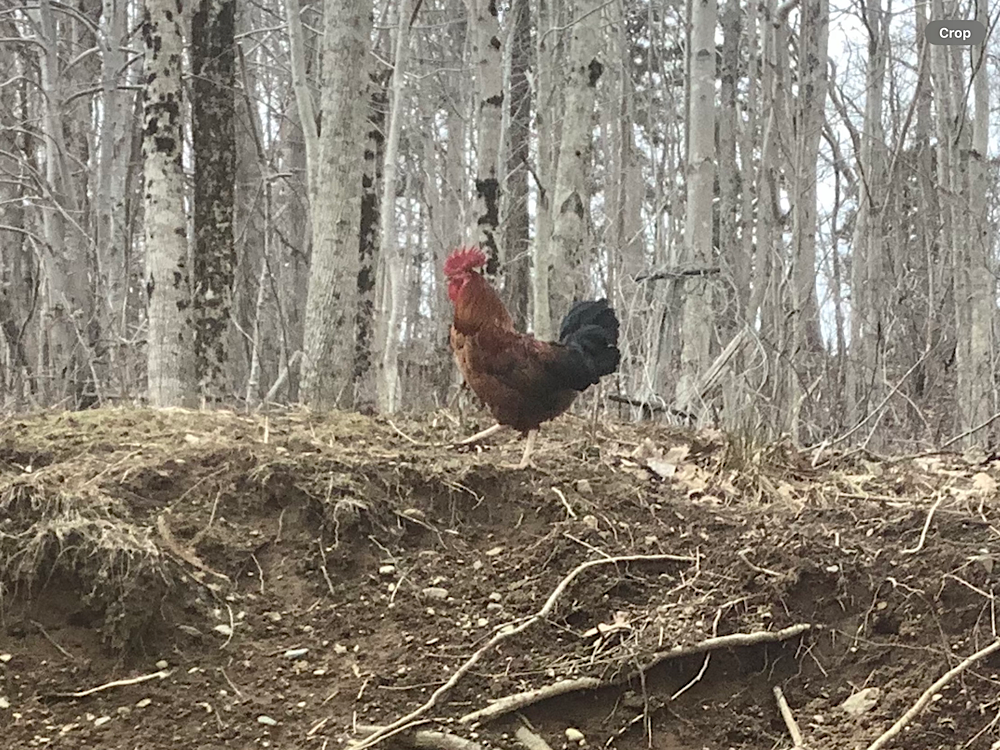
Easter Egger Roosters Available
No Comments
Easter Egger Rooster

Easter Egger Roosters are a popular choice among backyard chicken keepers, especially those who love a splash of personality and color in their flock. Here’s a quick overview of what makes them special—and what to watch out for.

What Is an Easter Egger?
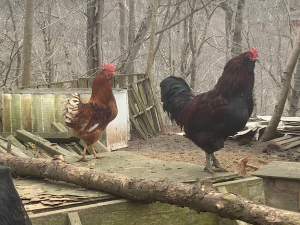
Easter Egger Roosters

“Easter Egger” isn’t a true breed but rather a chicken that carries the blue egg gene, usually from breeds like Ameraucana crossed with other types. The result? Chickens that can lay a rainbow of egg colors (though roosters don’t lay eggs, of course!).

Traits of Easter Egger Roosters

1. Appearance:

• Wildly varied! No two Easter Eggers look exactly the same.

• They can have beards, muffs, pea combs, and come in many color patterns.

• Often have greenish legs and stocky builds.

2. Temperament:

• Unpredictable. Some Easter Egger roosters are calm, friendly, and protective. Others can be aggressive and territorial. Ours are very tame.

• Socialization from a young age helps reduce aggression.which is why our Roosters are tame.

3. Crowing:

• Like all roosters, they crow—early and often. Keep this in mind if you have close neighbors or noise restrictions.

4. Breeding:

• When bred with hens that carry the blue egg gene, they can pass on colorful egg-laying genetics to offspring.

• Their chicks can have a wide variety of appearances, just like them.

5. Behavior:

• Active and alert.

• Can be good flock protectors, sounding the alarm for predators and keeping an eye on the hens.

Pros of Keeping an Easter Egger Rooster:

• Adds genetic diversity and fun traits to your flock.

• Can pass on colorful egg-laying potential to chicks.

• Unique appearance adds flair to your flock.

Tips for Managing an Easter Egger Rooster:

• Handle often when young to promote friendliness. Like we do at Briden Farm.

• Don’t tolerate aggression—firm boundaries are key.

• Provide plenty of hens (8–10 per rooster) to avoid over-mating.

• Watch for signs of bullying or feather loss in hens.

Want help naming your rooster or managing a feisty one?
I’ve got tips for that too—just say the word!

Have Questions? Call Brian at Briden Farm 902-907-0770 
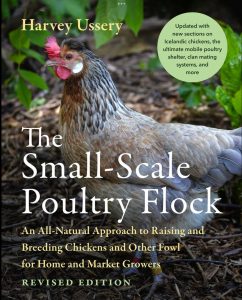

Book: The Small Scale Poultry Flock

Briden Farm takes a Hands-On, Respectful approach to Raising Pigs

No Comments
Ginger, Lara, and Brian

At Briden Farm, raising heritage pigs isn’t just about producing pork—it’s about honoring tradition, sustainability, and ethical farming. Nestled in the heart of Nova Scotia, Briden Farm takes a hands-on, respectful approach to raising their pigs, ensuring they live healthy, natural lives while also contributing to the land’s regeneration.

These heritage pigs aren’t your average farm animals. They are raised using rotational pasturing methods, allowing them to forage, root, and explore as nature intended. This not only leads to happier, healthier pigs but also helps improve soil health and pasture quality. By letting the pigs play their natural role in the ecosystem, Briden Farm embraces a regenerative approach that benefits both the animals and the land.

Ethical farming is at the heart of everything Briden Farm does, and that’s especially true when it comes to their pork. Unlike industrial farming operations, where pigs are often confined and fed unnatural diets, Briden Farm prioritizes quality over quantity. Their pigs enjoy a natural diet, plenty of space, and fresh air, all of which contribute to a richer, more flavorful pork that reflects the care and dedication behind it.

Raising pigs this way takes patience, but the results speak for themselves. The pork from Briden Farm isn’t just meat—it’s the product of ethical, sustainable farming practices that respect the animals and the environment. For those who appreciate knowing where their food comes from and value quality over mass production, Briden Farm’s heritage pork is a choice that aligns with both conscience and taste.

At the end of the day, Briden Farm’s commitment to raising heritage pigs the right way isn’t just about farming—it’s about a way of life. It’s about bringing back traditional, sustainable methods and offering a product that people can feel good about. Whether you’re looking for ethically raised pork or just want to support small-scale, responsible farming, Briden Farm is a place where quality and integrity come first.


Recommended Reading …


The Marvelous Pigness of Pigs

Raising Sheep Without Antibiotics: A Practical Approach

No Comments

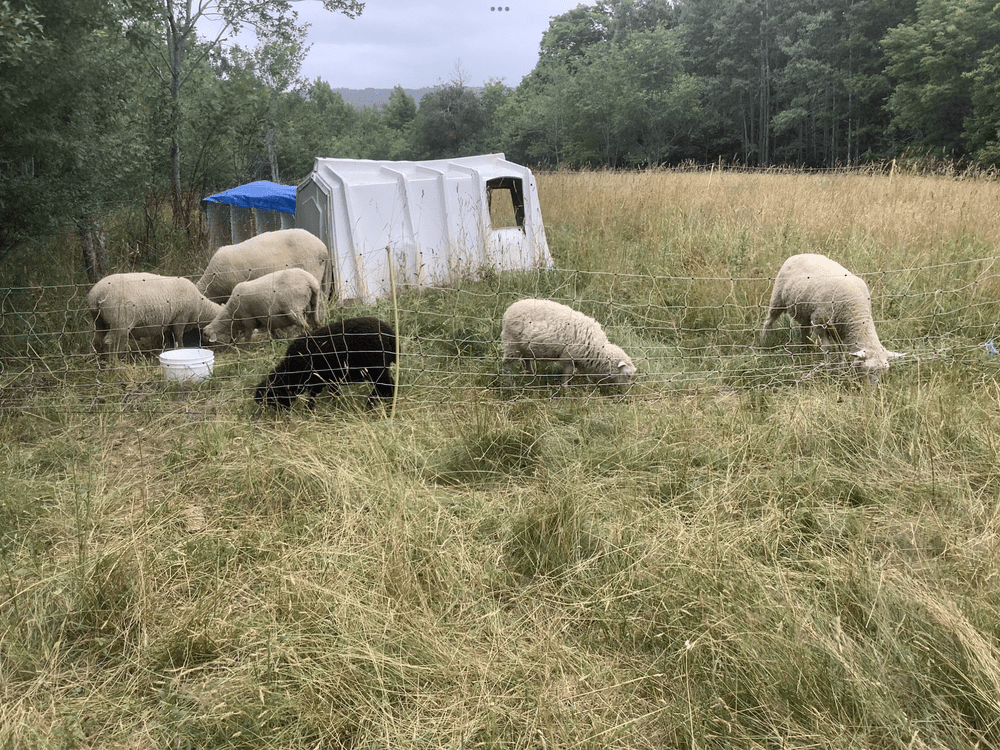
Raising sheep without chemicals and antibiotics isn’t easy, but in our experience, it’s well worth the effort. For the past two years, we’ve successfully managed our flock using rotational grazing, a method that helps control parasites naturally while keeping our sheep healthy. The key to making this work? Staying ahead of the parasite cycle.

The Power of Rotational Grazing

Sheep parasites become infective on Day 5, which means that timing is everything. To prevent infestations, we move our sheep to fresh pasture every four days—before the parasites become a problem. This is more frequent than what’s needed for pigs (every two weeks) or goats (who can stay in the same area for up to 30 days), but it’s necessary to keep our sheep parasite-free.

In an ideal setup, we run a small flock of 5–10 sheep within portable electric netting. Each section of fencing is either 164 feet or 328 feet long, with two fences creating a square of 82’ x 82’ (6,724 square feet). Since a full-size sheep needs about 300 square feet per day, we divide our total pasture area by four days to determine how many sheep we can sustain. For our setup, that comes out to around six sheep per pasture. We adjust as needed based on grazing pressure and pasture regrowth, ensuring the grass stays at least 3–4 inches tall—where parasites are less likely to survive.

Right-Sizing the Pasture for Healthy Grazing

It’s tempting to give sheep unlimited space, but more isn’t always better. If we enclosed a massive pasture (say, 328’ x 492’), each sheep would have over 4,000 square feet per day! That might sound great, but in reality, it’s inefficient.

Sheep, like kids in a candy store, would eat the best forage first, trample a lot of the rest, and only return to less-preferred plants when forced to. Instead, by limiting them to 300 square feet per day, we ensure they graze more evenly, reducing waste and promoting better pasture management.

The 24-Pasture Grid: Maximizing Land Use

We organize our land into a 24-pasture grid, moving sheep every four days. This means we don’t return to the same spot for at least 96 days, effectively breaking the parasite cycle. Since parasites need a host to survive, removing sheep from a pasture for 90+ days ensures that most parasites die off. This system has multiple benefits:

• Reduces fencing costs by 80%

• Encourages better grazing habits

• Prevents overgrazing and pasture degradation

• Breaks the parasite cycle before it starts

It’s not just theory—our sheep shearer, who sees plenty of flocks, has told us that our sheep are in excellent condition. We credit much of that to this rotational system.

Seasonal Adjustments and Multi-Species Grazing

In winter, we house our sheep in a barn, but during the grazing season, we integrate them into a rotation with our goats and pigs. Each species plays a role in managing the land, though they never graze the same pasture simultaneously. Rotating different animals further disrupts parasite life cycles and improves soil health.

Final Thoughts

Raising sheep without antibiotics takes planning and patience, but for us, it’s been an incredibly effective approach. If you’re considering this method, always consult with your veterinarian or livestock expert to tailor it to your specific conditions. What works for us might not be a perfect fit for everyone, but after two years of success, we’re confident that rotational grazing is one of the best ways to keep sheep healthy—naturally.

Stay tuned for more insights on how we integrate goats and pigs into our pasture management system! 


Recommended Reading from the Brian Hurlburt Bookshop: 

Book: Storey's Guide to Raising Sheep, 5th Edition
SHOP NOW