Tag: chickens

Today at Briden Farm: A Sickening Thud
No Comments
Large Round Hay Bales

25 July 2026 

The day started before seven this morning, thanks to the dogs. They all needed to go out, and while Beau has continued to do remarkably well settling back into life here on the farm, River decided that after coming back inside, what he really wanted was a little attention. He climbed up beside me, content to spend a few quiet moments together before the day’s work began.

After breakfast and cleaning up the kitchen, it was time to head to the barn.

The rabbits were looked after first, followed by the quail, then the goats. The sheep were due for another move, so I trimmed along the fence line, set up a new section of electric fencing, moved the flock onto fresh pasture, and then took the old fence back down so it would be ready for their next rotation. It’s a fair bit of work every few days, but fresh pasture is one of the keys to keeping healthy sheep and healthy land.

Back at the barn, I continued mixing yesterday’s feed into plastic barrels before any mice or other uninvited guests decided to help themselves. It’s one of those jobs that isn’t particularly exciting, but it saves feed and saves money.

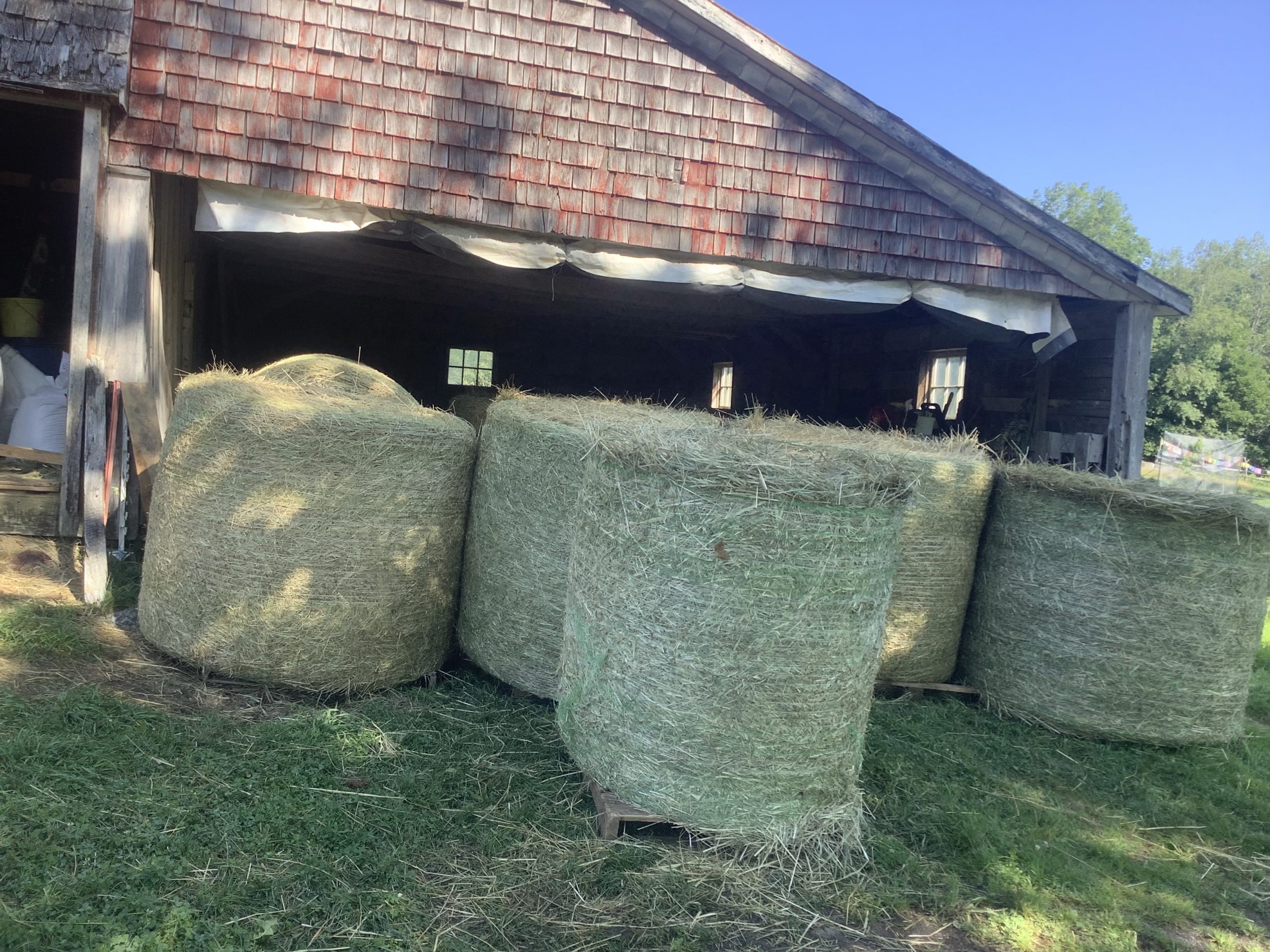
Yesterday I managed to get about half of this year’s round bales under the carport, but the remaining bales are still waiting outside. Looking at them today, my mind started working on the next challenge.

There has to be an easier way.

Rather than trying to muscle 700-pound round bales, I’ve been thinking about using a chain hoist suspended from one of the overhead beams. Since the bales are sitting on pallets, I may only need to lift one edge of the pallet an inch or two—just enough to reach the tipping point and let leverage and gravity do the rest. It’ll have to be tested carefully, watching the beam every step of the way. If it doesn’t seem right, I’ll lower everything and find another method.

That’s one of the things farming has taught me.

You don’t always need more strength.

Sometimes you just need a better idea.

Then, in the middle of an ordinary afternoon, everything changed.

I was standing with my back to the road when I heard a sickening thud.

I turned around and saw Roscoe.

My heart sank.

After checking him over as carefully as I could, I couldn’t find any obvious injuries beyond a small scrape. He was favouring one hind leg, and I could see the shock in his eyes, but there was no crying, no flinching, and no obvious sign of broken bones. Mary drove us home with Roscoe riding in the truck. Once home, he settled onto his mattress with fresh food and water while I returned to the barn to finish the chores and bring Beau and River home.

I can tell you one thing.

Roscoe is more than a dog to me. He’s my son.

This evening, before turning in, I headed out one last time to close up the chicken coop.

Roscoe insisted on coming with me.

He was still limping, and I could tell there was still some pain there, but he was using that leg more than he had earlier in the day. His nose was still cold and wet, and despite everything that had happened, he wasn’t about to let me make my evening rounds alone.

That short walk to the coop may not have seemed like much, but to me it meant everything.

He’s not one hundred percent yet, and I’ll be keeping a close eye on him over the next several days, but seeing him determined to be by my side again filled me with hope.

As the evening wound down, I finally got around to cleaning the slow cooker from the lamb rib roast I had made a couple of days ago.

The juices had cooled, leaving a thick white layer of hardened fat across the top. It looked almost exactly like candle wax. Instead of throwing it away, I skimmed it off into a clean milk carton.

That simple little job sparked another idea.

For generations, farmers rendered sheep tallow into candles, soap, leather dressing, and all sorts of useful products around the homestead. I’ve been thinking about making candles for quite a while now. Between the empty glass jars I’ve been saving and even old soup cans, I may already have everything I need for a few experiments.

Who knows?

Maybe one day Briden Farm will have its own hand-poured tallow candles, made from the very animals that help sustain this little farm.

It’s funny how a day can unfold.

It begins with quiet morning chores, continues with sheep, fences, feed, and hay, suddenly reminds you just how precious those you love really are, and quietly ends by rediscovering a skill that our grandparents probably considered perfectly ordinary.

That’s one of the things I love most about this life.

Every day teaches something.

Sometimes it’s a lesson in patience.

Sometimes it’s a reminder to be thankful.

And sometimes, it’s discovering that what looks like waste today may become something useful tomorrow.

Until next time…

Brian
Briden Farm 🌾🐑🐐🐕🕯️
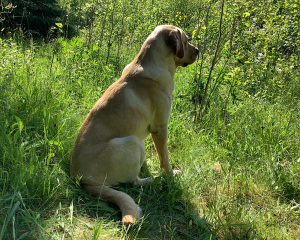
Roscoe sits on the Hillside contemplating this new day!

Brown Lohmann, Brown Eggs, Laying Hens

No Comments
Bovan Brown Laying Hens

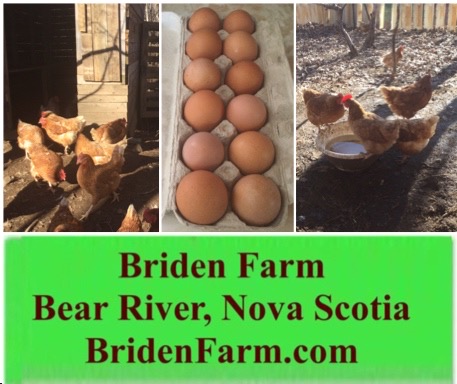
These girls lay Large Brown Eggs, and are fairly reliable at about a year o,d they’re laying at about 60-70%. We’re asking $15 each, or 12 for just $120. We also have Eggs at $6/Dozen As well as Barred Plymouth Rock Roosters, Easter Egger Roosters, and Silkie Roosters. Call Brian at BridenFarm.com 📞 902-907-0770 Bovan Brown Hens

Moving our Animals inside for Winter

2 Comments
Briden, Ebon, and Patsy

Here in Nova Scotia we sometimes have up to six feet of snow and temperatures as low as -25°C or 13°F. Actually colder in some Northern parts of the Province! So, that means our animals need shelter for Winter. 

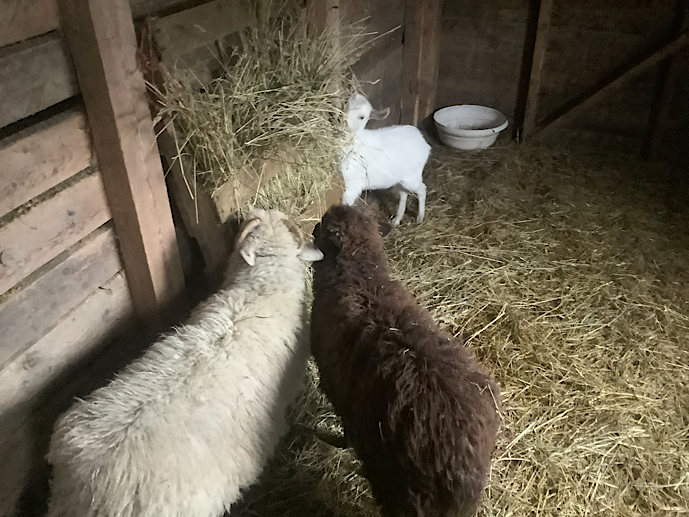
To be honest, it actually saves us time, once we get them all moved in. For most of the year, from Spring to Fall, sometimes even into Winter, all our critters get moved on a pretty regular basis. Usually every week, or so, they get moved to a new pasture. The rule of thumb is to move Goats at least every 30 days, Pigs at least every two weeks, and SHEEP!!! Sheep need to be moved every 4 Days! Ok! Why all this moving!? 

Here Briden Farm we keep everything natural and we don’t use antibiotics, chemical dewormers, or other drugs to medicate our critters unless they absolutely need it! In fact we haven’t used any since we began over four years ago!

That’s because by moving everyone on a regular basis, Goats at least every 30 days, Pigs biweekly, and Sheep every 4 Days, we stay ahead of the parasite cycle! See, with Sheep, their worms become infective on day 5. So we move them every four days, and they are on their new pasture, before their parasites get a chance to infect them! 

That’s just part of the system though! The other part is that once we move them, nothing gets back on the same piece of ground for at least 90 Days! That way the parasites have no Host to infect because they’ve moved before the parasites can infect them, and by not returning for at least 90 days, the parasites not only have nothing to live on, but die before our animals return to that area. Thus chemicals are not needed! Thus, all our critters live as natural as possible! 

The only time we give our animals anything other than fresh water and their grains is when they have a cut, or something like that. Up until recently we used Watkins Medicated Ointment and Petro Carbo Salve. However, Watkins recently decided to stop selling all their Non-Food items!

So, now, we’ll be using Rawleigh Medicated Ointment and Rawleigh Antiseptic Salve

Both of these good ole companies have produced these wonderful products for over 135 Years! 

Anyway, I digress, let’s get back to getting our livestock back inside for Winter!

Imagine, how laborious it is to move sheep every four days, pigs at least every couple weeks, and goats at least every month! Compound that by the number of pastures. Sometimes we have a half dozen pastures on the go at a time! All needing to be rotated on a regular basis!

Very tiring and time consuming! Sort of makes one think about why naturally raised, ethically treated, rotationally pastured pork, poultry, and other meat costs so much! Right? Usually our meat birds get moved at least once, or twice, a day!

So, once we get everyone moved inside for the Winter we sort of get a chance to rest! 

Now You know the Rest of the Story! 

Incredible Side Benefit of Having Briden Farm Goats and Livestock on Your Land

No Comments
Naturally Rid Your Land of Ticks

One thing we’ve noticed over the past few years is that there is an incredible side benefit of having Briden Farm Goats and Livestock on Your Property! We know that the regenerative benefits of turning burnt out hay fields into beautiful productive grassy pastures is awesome! The weed eating animals help get rid of weeds, and in woodland pastured these incredible animals help prune and groom and turn woodlands into pasture and with a little help, even gardens! All so beautiful and impressive I never get tired of seeing it. 

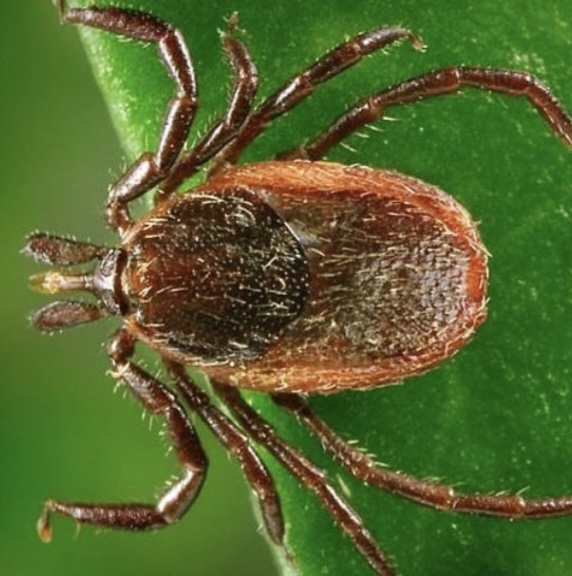
However, what we didn’t know, but have suspected for some time now, is all this work also help to eliminate Ticks! You know… those nasty little, creepy, crawly, blood suckers! When we first take our animals into a new pasture area we get covered in them! Often finding 20-30 or more every day! On ourselves, dogs, animals, etc. Then, over time, that number reduces! As the animals turn the old growth into new productive pastures, and the grass, weeds, and invasive plants become fewer, and more manageable, so do the Ticks! Reducing the number of ticks from 20-30 a day to maybe that number, or fewer, in a week! That’s a reduction of about 80-85%. Incredible! 

If You’d like more information about having Briden Farm Goats and Livestock on Your Property please call Brian at BridenFarm.com 902-907-0770 

Information on Tick Safety in Nova Scotia